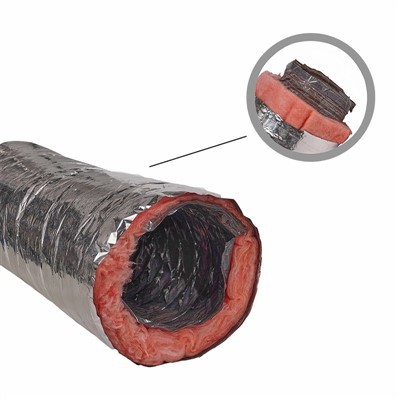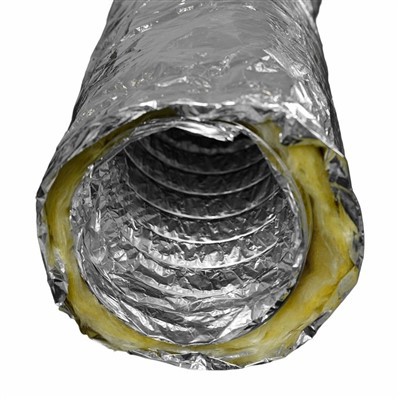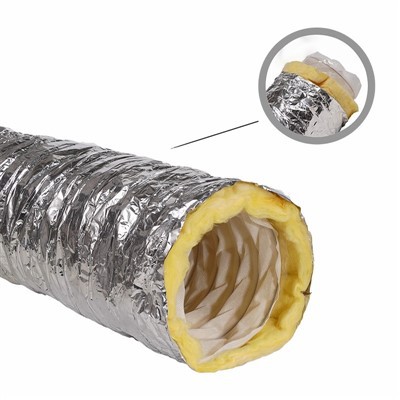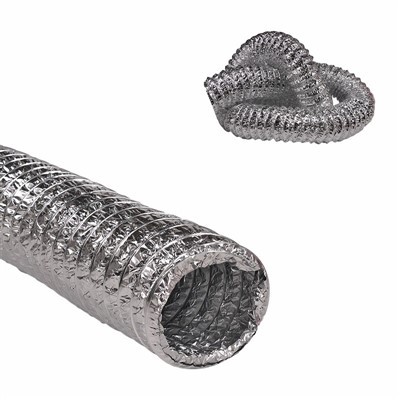

Hey there! As a supplier of polyester insulated air ducts, I've been getting a lot of questions lately about the environmental impacts of these ducts. So, I thought I'd take a moment to break it down for you.
Production Phase
Let's start with the production of polyester insulated air ducts. Polyester is a synthetic fiber made from petrochemicals. The extraction and refining of these petrochemicals can have a significant environmental impact. For one, the process consumes a large amount of energy, which often comes from non - renewable sources like coal and natural gas. This energy consumption contributes to greenhouse gas emissions, mainly carbon dioxide, which is a major driver of climate change.
However, compared to some other insulation materials like fiberglass, polyester insulation production has its advantages. Fiberglass production involves melting glass at extremely high temperatures, which is also energy - intensive. And during the manufacturing of fiberglass, tiny glass fibers can be released into the air, which can pose health risks to workers and nearby communities. In contrast, polyester production has fewer direct health hazards during the manufacturing process.
Installation and Use
When it comes to installation, polyester insulated air ducts are relatively easy to handle. They are lightweight, which means less energy is required for transportation and installation compared to heavier materials. This reduces the carbon footprint associated with getting the ducts to the installation site and putting them in place.
During use, polyester insulation provides excellent thermal performance. It helps to reduce the energy needed to heat or cool a building. When a building's HVAC system doesn't have to work as hard, it consumes less electricity or gas, which in turn reduces greenhouse gas emissions. For example, in a commercial building with a well - insulated polyester air duct system, the energy savings can be substantial over the long term.
But there are also some potential downsides. Polyester is a plastic - based material, and over time, it can degrade. When it degrades, it may release microplastics into the environment. Microplastics are a growing concern as they can end up in waterways, soil, and even the food chain. Although the rate of degradation of polyester in an air duct system is relatively slow, it's still something to be aware of.
End - of - Life
At the end of its useful life, a polyester insulated air duct needs to be disposed of. Polyester is not biodegradable, which means it will sit in landfills for a very long time. However, there are some recycling options available. Some recycling facilities can break down polyester into its raw materials and use them to make new products. But the recycling rate for polyester is still relatively low, mainly due to the complexity of the recycling process and the lack of widespread recycling infrastructure.
If the duct is not recycled, it will contribute to the growing problem of plastic waste in landfills. This can have long - term environmental impacts, such as taking up valuable land space and potentially leaching harmful chemicals into the soil and groundwater.
Comparing with Other Duct Materials
Let's compare polyester insulated air ducts with some other common duct materials. Fiberglass - insulated ducts are a popular alternative. As I mentioned earlier, fiberglass production has its own set of environmental issues, including high energy consumption and potential health risks from fiber release. And if fiberglass insulation is exposed in the return air plenum, it can pose health risks to building occupants. You can learn more about this issue here: Exposed Fiberglass Insulation in Return Air Plenum.
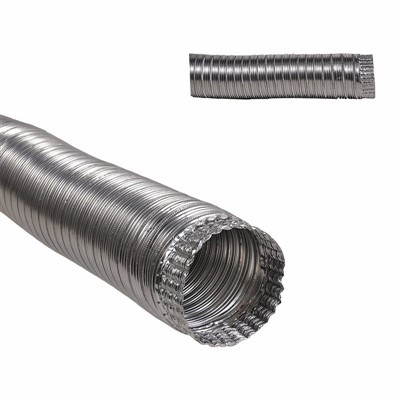
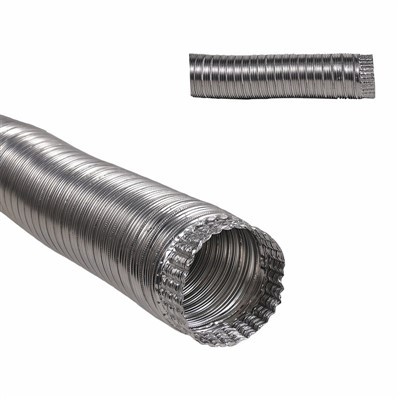
Another option is insulated aluminum flex ducts. These ducts have good durability and flexibility. But the production of aluminum is also energy - intensive, and it can have a significant environmental impact. You can check out more details about insulated aluminum flex ducts here: Insulated Aluminum Flex Duct.
When it comes to size, 16 - inch ductwork is a common choice for many HVAC systems. Polyester insulated 16 - inch ductwork offers good thermal performance and is relatively easy to install. You can find more information about 16 - inch ductwork here: 16 Inch Ductwork.
What We're Doing to Minimize Environmental Impact
As a supplier, we're committed to minimizing the environmental impact of our polyester insulated air ducts. We're constantly looking for ways to improve the production process to reduce energy consumption and greenhouse gas emissions. We're also working with recycling facilities to increase the recycling rate of our products.
We believe that by providing high - quality, energy - efficient products, we can help our customers reduce their energy consumption and carbon footprint. And we're always open to feedback from our customers on how we can make our products even more environmentally friendly.
Why Choose Our Polyester Insulated Air Ducts
Our polyester insulated air ducts offer several benefits. They are lightweight, easy to install, and provide excellent thermal insulation. This means that your HVAC system will run more efficiently, saving you money on energy bills. And while there are some environmental challenges associated with polyester, we're doing our best to address them.
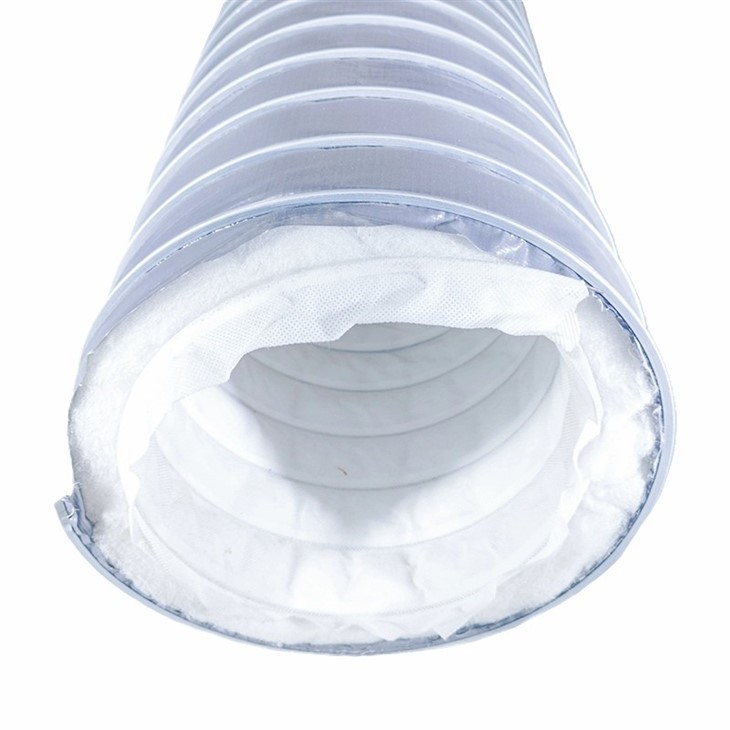
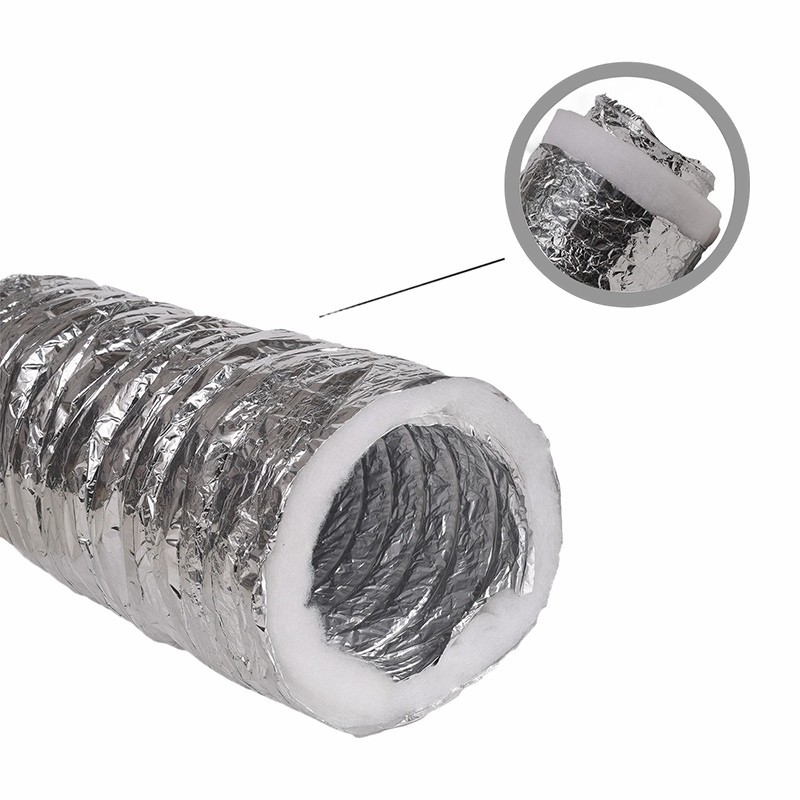
If you're in the market for air ducts for your building, whether it's a commercial space or a residential property, I encourage you to consider our polyester insulated air ducts. We can work with you to find the right size and configuration for your needs.
If you have any questions or are interested in purchasing our polyester insulated air ducts, don't hesitate to reach out. We'd be more than happy to have a chat with you and discuss your specific requirements. Let's work together to create a more energy - efficient and environmentally friendly building.
References
- Environmental Protection Agency (EPA). "Plastic Pollution in the Environment."
- American Society of Heating, Refrigerating and Air - Conditioning Engineers (ASHRAE). "Energy Efficiency in HVAC Systems."
- Journal of Environmental Science and Technology. "Microplastics in the Environment: Sources and Impacts."