
Hey there! I'm a supplier of yellow fiberglass insulated air ducts, and I get asked all the time about how to choose the right one for different needs. So, I thought I'd put together this blog to help you make an informed decision.
Understanding Your Needs
First things first, you need to figure out what you actually need the air duct for. Are you using it in a residential setting, like your home? Or is it for a commercial space, such as an office building or a factory? The usage environment plays a huge role in determining the right air duct.
In a residential setting, you might be more concerned about noise reduction and energy efficiency. You want the air to flow smoothly without making a lot of racket, and you also want to save on your energy bills. On the other hand, in a commercial setting, durability and fire resistance might be more important. You need the air duct to withstand heavy use and meet safety regulations.
Types of Yellow Fiberglass Insulated Air Ducts
There are a few different types of yellow fiberglass insulated air ducts that you can choose from. Let's take a look at them.
Single Layer Fiberglass Insulated Air Duct
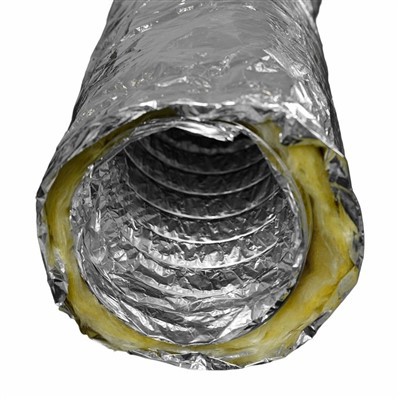
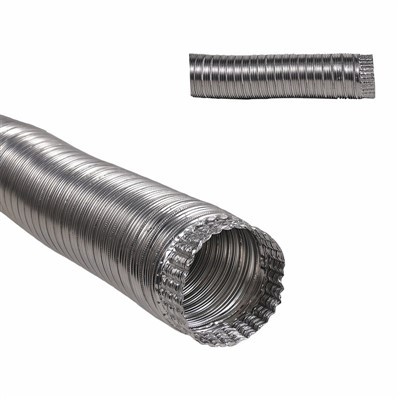
The Single Layer Fiberglass Insulated Air Duct is a great option if you're on a budget or if you don't need a high level of insulation. It's relatively lightweight and easy to install. This type of air duct is suitable for smaller spaces where the temperature doesn't need to be tightly controlled. For example, it could be used in a small utility room or a storage area.
Double Layer Fiberglass Insulated Air Duct
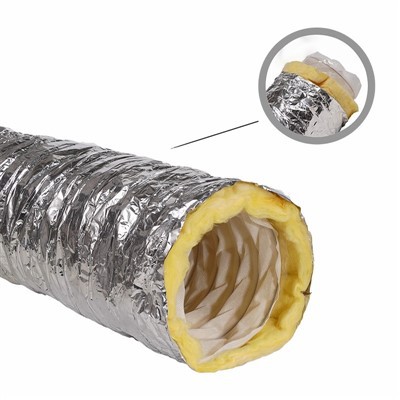
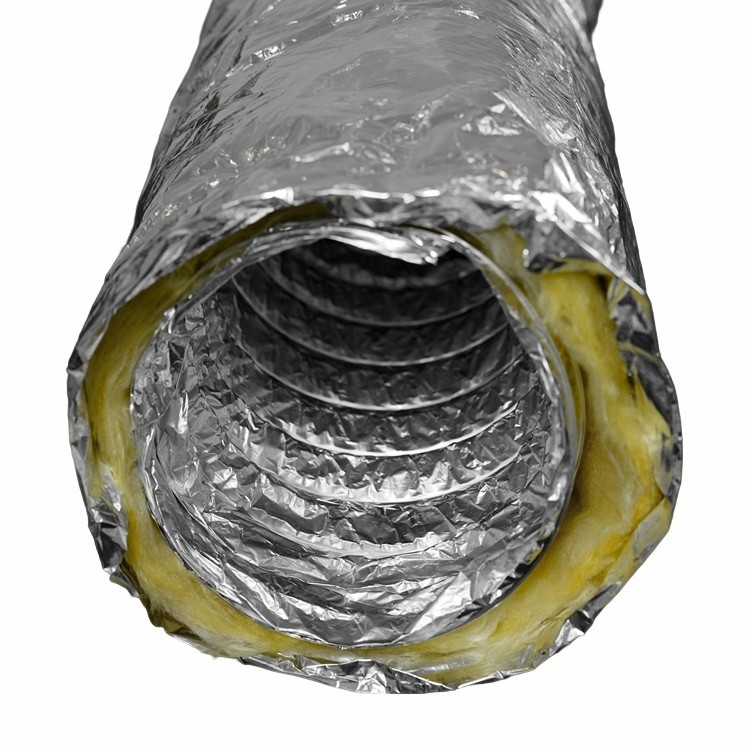
If you need better insulation and more protection, the Double Layer Fiberglass Insulated Air Duct is the way to go. The double layer provides an extra barrier against heat transfer and noise. It's ideal for areas where you want to maintain a consistent temperature, like a home theater or a server room.
Insulated Polyester Flexible Duct
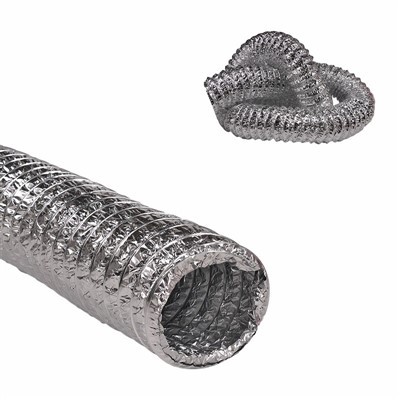
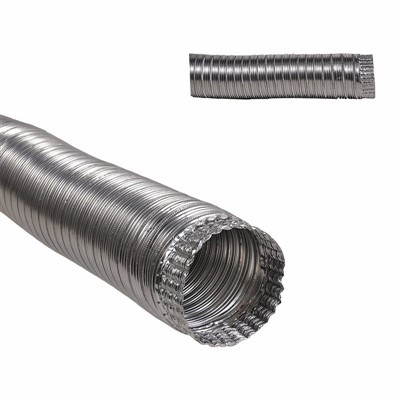
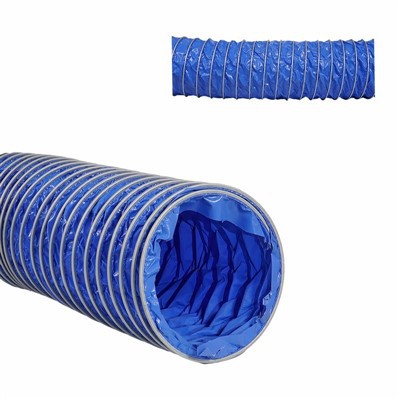
The Insulated Polyester Flexible Duct is a flexible option that can be easily bent and routed around obstacles. It's great for spaces with limited access or where you need to make custom installations. This type of duct is also resistant to moisture, which makes it suitable for areas with high humidity, like basements or bathrooms.
Factors to Consider
Now that you know the different types of air ducts, let's talk about the factors you should consider when making your choice.
Size
The size of the air duct is crucial. You need to make sure it can handle the volume of air that needs to be circulated. If the duct is too small, it can cause airflow problems and reduce the efficiency of your HVAC system. On the other hand, if it's too large, it can be a waste of money and space. You can calculate the required size based on the size of the room and the airflow rate of your HVAC system.
Insulation Rating
The insulation rating of the air duct is another important factor. It's measured in R-value, which indicates how well the duct can resist heat transfer. A higher R-value means better insulation. You should choose an air duct with an appropriate R-value based on your climate and the temperature requirements of the space.
Fire Resistance
Fire resistance is a must, especially in commercial settings. You want to make sure the air duct meets the fire safety standards. Look for ducts that are made of fire-resistant materials and have been tested for fire performance.
Durability
The air duct needs to be durable enough to withstand the wear and tear of regular use. Consider the quality of the materials and the construction of the duct. A well-made duct will last longer and require less maintenance.
Installation and Maintenance
Once you've chosen the right air duct, it's important to install it correctly. Improper installation can lead to airflow problems, energy loss, and even safety hazards. If you're not confident in your installation skills, it's best to hire a professional.
Maintenance is also key to keeping your air duct in good condition. Regularly check for any signs of damage, such as leaks or tears. Clean the duct periodically to remove dust and debris. This will help ensure that the air duct functions efficiently and provides clean air.
Conclusion
Choosing the right yellow fiberglass insulated air duct for your needs doesn't have to be a headache. By understanding your requirements, considering the different types of ducts, and taking into account factors like size, insulation rating, fire resistance, and durability, you can make an informed decision.
If you have any questions or need more information about our yellow fiberglass insulated air ducts, feel free to reach out. We're here to help you find the perfect solution for your needs. Let's start a conversation and see how we can work together to meet your air duct requirements.
References
- HVAC Systems Handbook
- Building Codes and Standards for Air Ducts