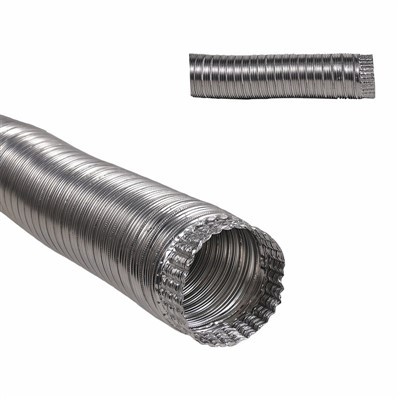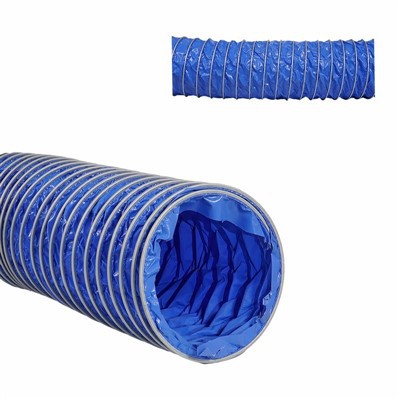

Hey there! As a supplier of Vacuum Metallized Film Duct, I often get asked about the heat transfer rate of these ducts. So, I thought I'd take a moment to break it down for you.
First off, let's understand what Vacuum Metallized Film Duct is. It's a type of duct that has a vacuum - metallized film on its surface. This film gives the duct some unique properties, especially when it comes to heat transfer.
The heat transfer rate of a Vacuum Metallized Film Duct is influenced by several factors. One of the main factors is the material of the film itself. The vacuum - metallized film is usually made of a thin layer of metal, like aluminum, deposited on a plastic substrate. Aluminum is a great conductor of heat, but the thinness of the film and the plastic substrate play a role in how heat is transferred.
When it comes to heat transfer, there are three main mechanisms: conduction, convection, and radiation.
Conduction is the transfer of heat through a material. In the case of Vacuum Metallized Film Duct, the metal layer in the film can conduct heat. However, the plastic substrate acts as an insulator to some extent. The thickness and thermal conductivity of the plastic substrate will determine how much heat is conducted through the duct wall. For example, if the plastic has a low thermal conductivity, it will slow down the conduction of heat from the inside of the duct to the outside.
Convection is the transfer of heat by the movement of fluids (in this case, air). Inside the duct, the air can carry heat along with its flow. The design of the duct, such as its shape and the smoothness of the inner surface, can affect the convective heat transfer. A smooth inner surface allows for a more laminar flow of air, which can reduce the convective heat transfer compared to a rough surface that causes more turbulent flow.
Radiation is the transfer of heat through electromagnetic waves. The metal layer in the vacuum - metallized film can reflect a significant amount of radiant heat. This is one of the key advantages of using Vacuum Metallized Film Duct. It can prevent a large portion of the radiant heat from passing through the duct wall, which is especially useful in applications where heat insulation is important.
Now, let's talk about how the heat transfer rate affects the performance of the duct. In HVAC (Heating, Ventilation, and Air Conditioning) systems, a lower heat transfer rate is often desirable. This means that less heat is lost or gained through the duct walls, which can improve the energy efficiency of the system. For example, in a heating system, if the duct can keep the hot air inside and prevent it from losing heat to the surrounding environment, it can save energy and reduce heating costs.
On the other hand, in some industrial processes where heat needs to be dissipated, a higher heat transfer rate might be required. For instance, in a process where hot gases need to be cooled down quickly, a duct with a higher heat transfer rate can help achieve this.
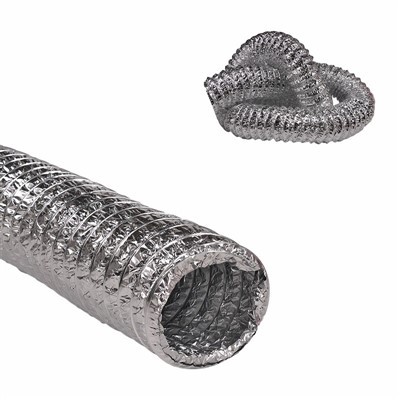
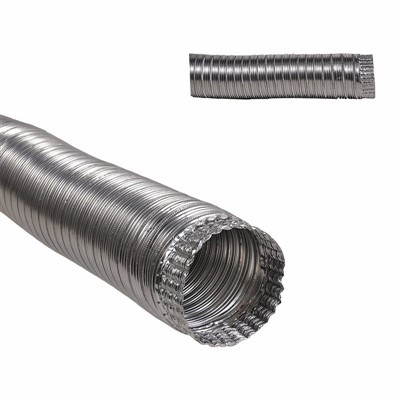
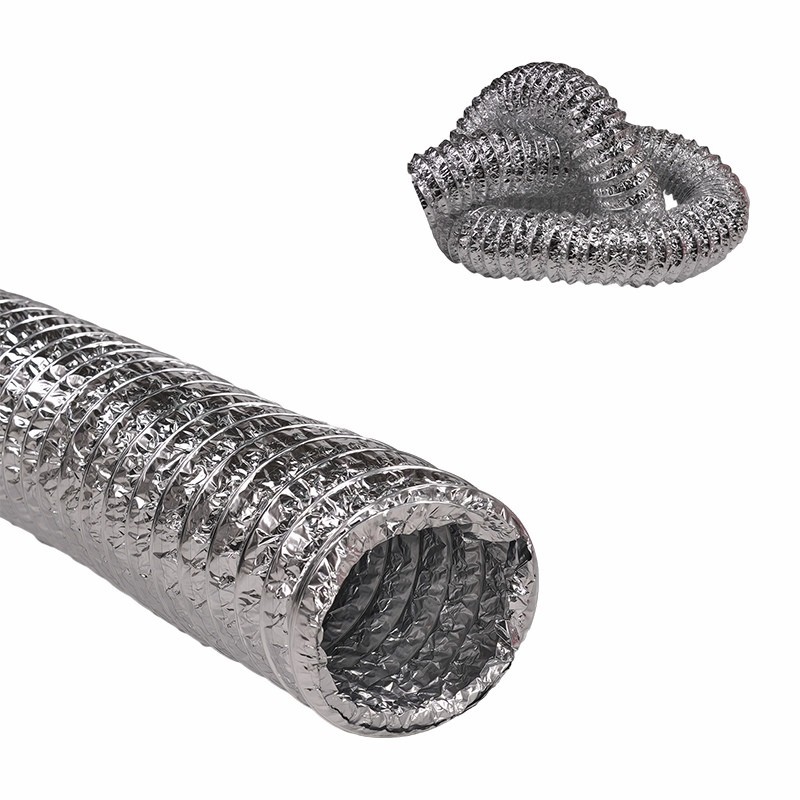
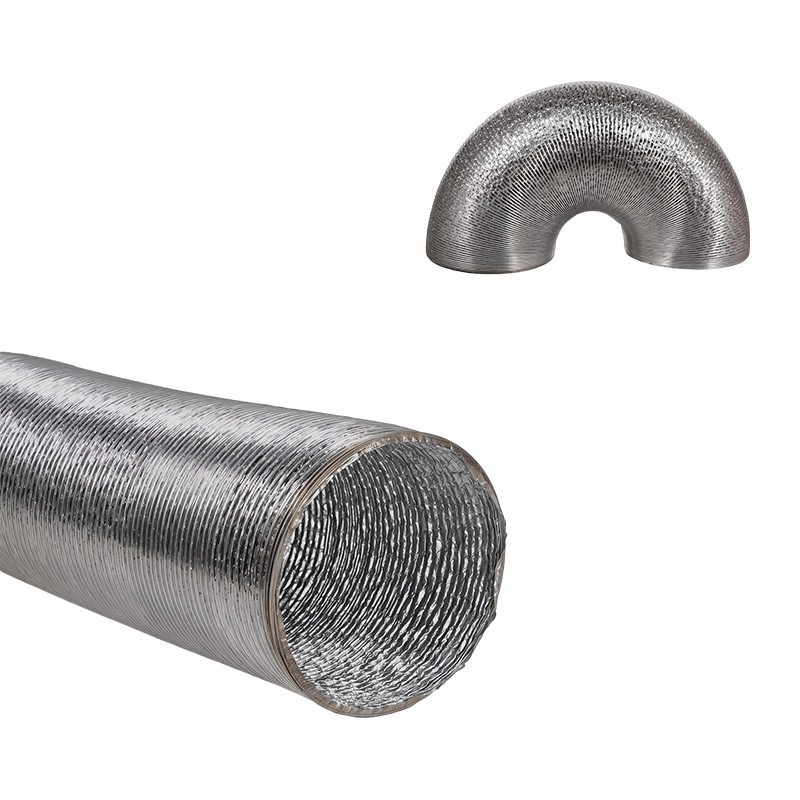
As a supplier, we offer different types of ducts that can meet various heat transfer requirements. For example, our Double Layer Plain Aluminum Flexible Air Duct has a double - layer structure that can provide better insulation and control the heat transfer rate. The two layers work together to reduce the conduction and radiation of heat.
Our 5 Layers Plain Aluminum Flexible Air Duct is even more advanced. With five layers, it offers enhanced insulation properties. The additional layers can further reduce the heat transfer through conduction and radiation, making it suitable for applications where strict heat control is needed.
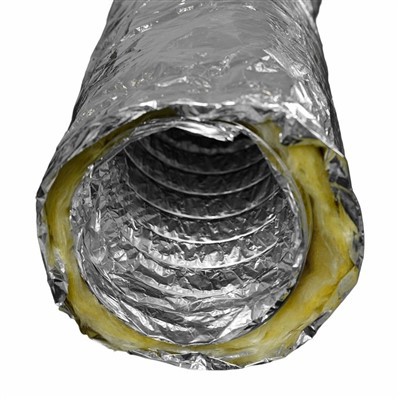
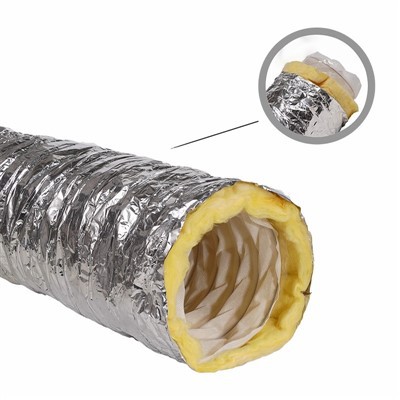
If you're looking for a duct that not only controls heat transfer but also reduces noise, our Silencing Aluminum Foil Tube is a great option. It combines the heat - insulating properties of the vacuum - metallized film with sound - absorbing materials to provide a more comfortable and efficient environment.
When choosing a Vacuum Metallized Film Duct, it's important to consider your specific needs. Think about the temperature range, the type of fluid (air or gas) flowing through the duct, and the environment in which the duct will be installed. If you're not sure which duct is right for you, don't hesitate to reach out to us. We have a team of experts who can help you make the best decision based on your requirements.
Whether you're working on a small residential HVAC project or a large industrial application, we can provide you with high - quality Vacuum Metallized Film Ducts. Our products are designed to meet the highest standards of performance and durability.
So, if you're in the market for Vacuum Metallized Film Ducts, or if you have any questions about heat transfer rates or our products, feel free to contact us. We're here to assist you in finding the perfect solution for your needs.
References:
- Incropera, F. P., & DeWitt, D. P. (2002). Fundamentals of Heat and Mass Transfer. John Wiley & Sons.
- Holman, J. P. (2009). Heat Transfer. McGraw - Hill.