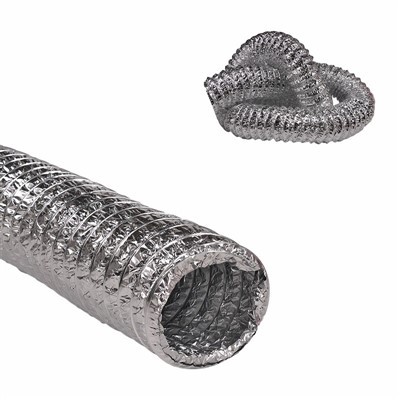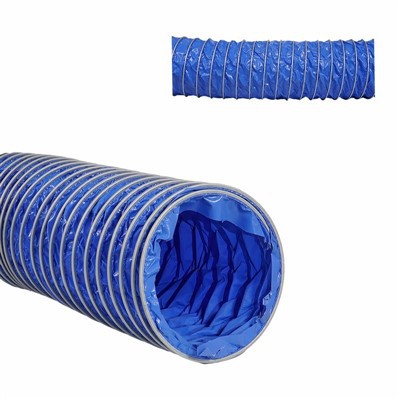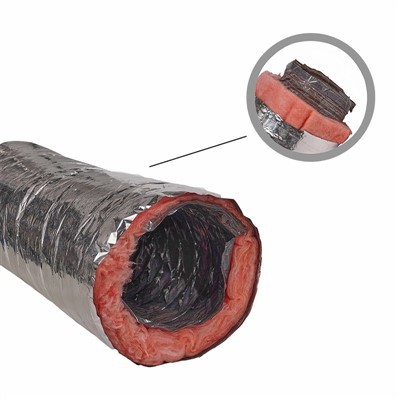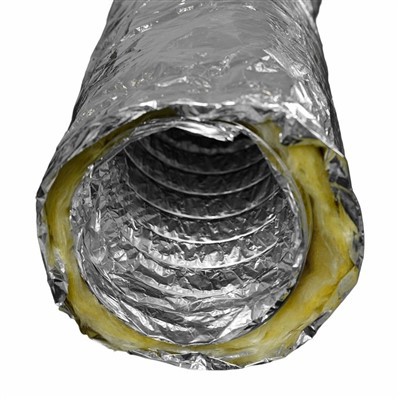

Poly braided tubing is a versatile and durable material that has found its way into numerous industries. As a supplier of Poly Braided Tubing, I often get asked about its potential applications in agriculture. In this blog post, I'll explore whether poly braided tubing can be used in agricultural applications, discussing its benefits, potential uses, and considerations.
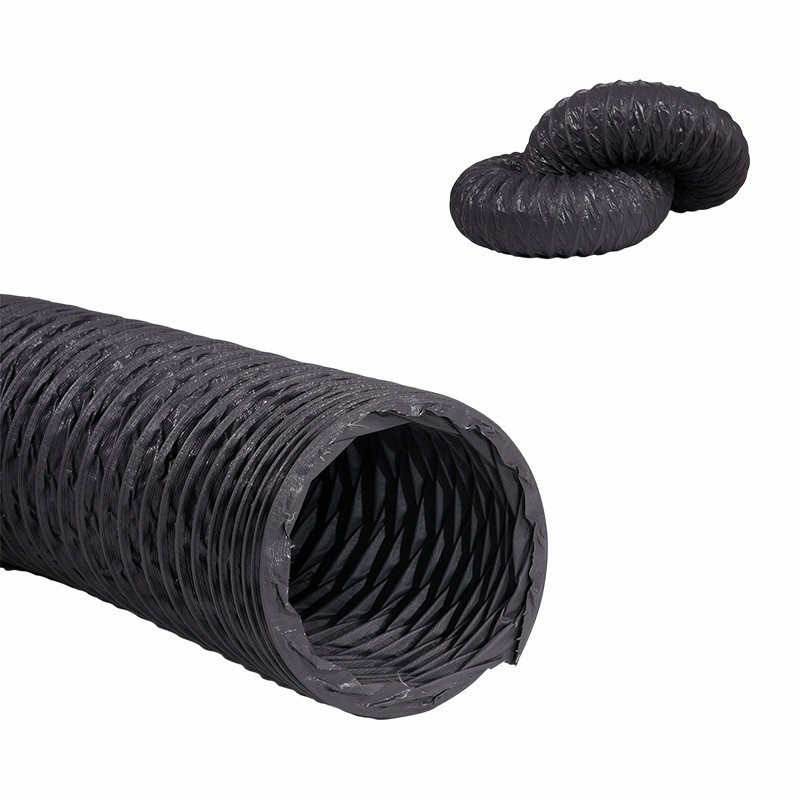

The Basics of Poly Braided Tubing
Poly braided tubing, also known as Poly Braided Tubing, is a type of tubing made from synthetic polymers, typically nylon. It consists of a core tube surrounded by a braided outer layer, which provides additional strength and flexibility. This construction makes poly braided tubing resistant to kinking, abrasion, and chemical damage, making it suitable for a wide range of applications.
Benefits of Poly Braided Tubing in Agriculture
- Durability: Agricultural environments can be harsh, with exposure to UV rays, chemicals, and physical stress. Poly braided tubing is highly durable and can withstand these conditions, ensuring a long service life.
- Flexibility: The braided design of the tubing allows it to bend and flex without kinking, making it easy to install in various agricultural systems.
- Chemical Resistance: Many agricultural applications involve the use of chemicals, such as fertilizers and pesticides. Poly braided tubing is resistant to a wide range of chemicals, protecting it from damage and ensuring the safe transport of these substances.
- Lightweight: Compared to other types of tubing, poly braided tubing is lightweight, making it easier to handle and install. This can save time and labor costs in agricultural operations.
- Cost-Effective: Poly braided tubing is relatively inexpensive compared to other materials, making it a cost-effective option for agricultural applications.
Potential Uses of Poly Braided Tubing in Agriculture
- Irrigation Systems: Poly braided tubing can be used in irrigation systems to deliver water to crops. Its flexibility and durability make it ideal for use in drip irrigation systems, where it can be easily routed around plants and obstacles.
- Fertilizer and Pesticide Delivery: The chemical resistance of poly braided tubing makes it suitable for transporting fertilizers and pesticides. It can be used to connect sprayers and other equipment, ensuring the safe and efficient delivery of these substances.
- Livestock Watering Systems: Poly braided tubing can be used to provide water to livestock. Its durability and flexibility make it suitable for use in both indoor and outdoor watering systems.
- Greenhouse Applications: In greenhouses, poly braided tubing can be used for irrigation, ventilation, and other applications. Its lightweight and easy installation make it a popular choice for greenhouse growers.
- Hydroponic Systems: Hydroponic systems rely on the precise delivery of water and nutrients to plants. Poly braided tubing can be used to transport these substances, ensuring the efficient operation of the system.
Considerations for Using Poly Braided Tubing in Agriculture
- Size and Pressure Rating: When selecting poly braided tubing for agricultural applications, it's important to choose the right size and pressure rating. The size of the tubing will depend on the flow rate and pressure requirements of the system.
- Temperature Resistance: Agricultural environments can experience a wide range of temperatures. Poly braided tubing should be able to withstand the temperature extremes of the application.
- UV Resistance: Exposure to UV rays can cause poly braided tubing to degrade over time. It's important to choose tubing that is UV-resistant to ensure a long service life.
- Installation and Maintenance: Proper installation and maintenance are essential for the performance and longevity of poly braided tubing. Follow the manufacturer's instructions for installation and regularly inspect the tubing for signs of damage.
Comparison with Other Types of Tubing
There are several other types of tubing commonly used in agriculture, such as Braided Nylon Tubing and Woven Nylon Tubing. While these types of tubing share some similarities with poly braided tubing, there are also some differences to consider.
- Braided Nylon Tubing: Braided nylon tubing is similar to poly braided tubing in terms of its construction and properties. However, it may be more expensive and less flexible than poly braided tubing.
- Woven Nylon Tubing: Woven nylon tubing is typically less durable and less resistant to chemicals than poly braided tubing. It may also be more prone to kinking and abrasion.
Conclusion
In conclusion, poly braided tubing can be a valuable asset in agricultural applications. Its durability, flexibility, chemical resistance, and cost-effectiveness make it a suitable choice for a wide range of uses, including irrigation, fertilizer and pesticide delivery, livestock watering, greenhouse applications, and hydroponic systems. However, it's important to consider the specific requirements of the application and choose the right size, pressure rating, and temperature resistance of the tubing.
If you're interested in using poly braided tubing in your agricultural operations, I encourage you to contact me to discuss your specific needs. I can provide you with more information about our products and help you select the right tubing for your application. Let's work together to find the best solution for your agricultural needs.
References
- Manufacturer's specifications and product literature for poly braided tubing.
- Agricultural industry standards and best practices for tubing selection and use.