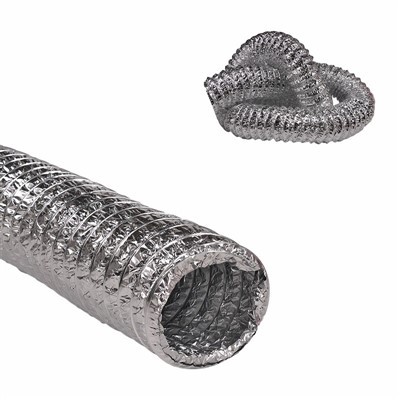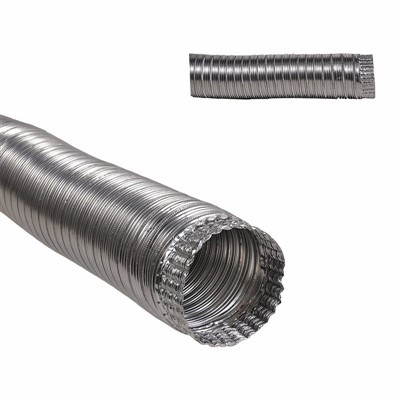

Do Multilayer PVC Pipes Have Good Shock Resistance?
As a supplier of multilayer PVC pipes, I've had the privilege of witnessing firsthand the remarkable qualities of these products. One of the most frequently asked questions I encounter is about the shock resistance of multilayer PVC pipes. In this blog post, I'll delve into the science behind the shock resistance of multilayer PVC pipes, explore real - world applications, and share some insights based on our experience in the industry.
The Science Behind Shock Resistance in Multilayer PVC Pipes
Multilayer PVC pipes are engineered with multiple layers, each serving a specific purpose. The structure of these pipes plays a crucial role in their shock - resistance capabilities. The outer layer is often designed to provide protection against external factors such as abrasion, UV radiation, and impact. Meanwhile, the inner layers contribute to the overall strength and flexibility of the pipe.
PVC, or polyvinyl chloride, is a well - known thermoplastic polymer. It has inherent properties that make it suitable for various applications. When it comes to shock resistance, PVC can absorb and distribute energy. The multilayer design enhances this ability. The different layers work together to disperse the force of an impact, preventing it from causing significant damage to the pipe.
For example, if a multilayer PVC pipe is struck by a hard object, the outer layer will initially absorb a portion of the impact. The inner layers then help to spread the remaining force throughout the pipe. This distribution of energy reduces the likelihood of the pipe cracking or breaking.
Real - World Applications and Shock Resistance
Multilayer PVC pipes are used in a wide range of applications, and their shock resistance is a critical factor in many of these scenarios.
In the construction industry, multilayer PVC pipes are commonly used for plumbing systems. They are often installed in areas where they may be subject to physical impact, such as under floors or in basements. The shock - resistant properties of these pipes ensure that they can withstand accidental bumps and knocks during the construction process and throughout the life of the building.
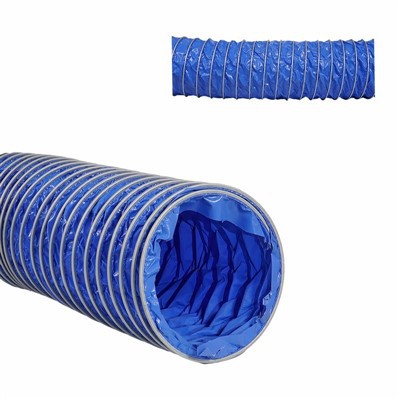
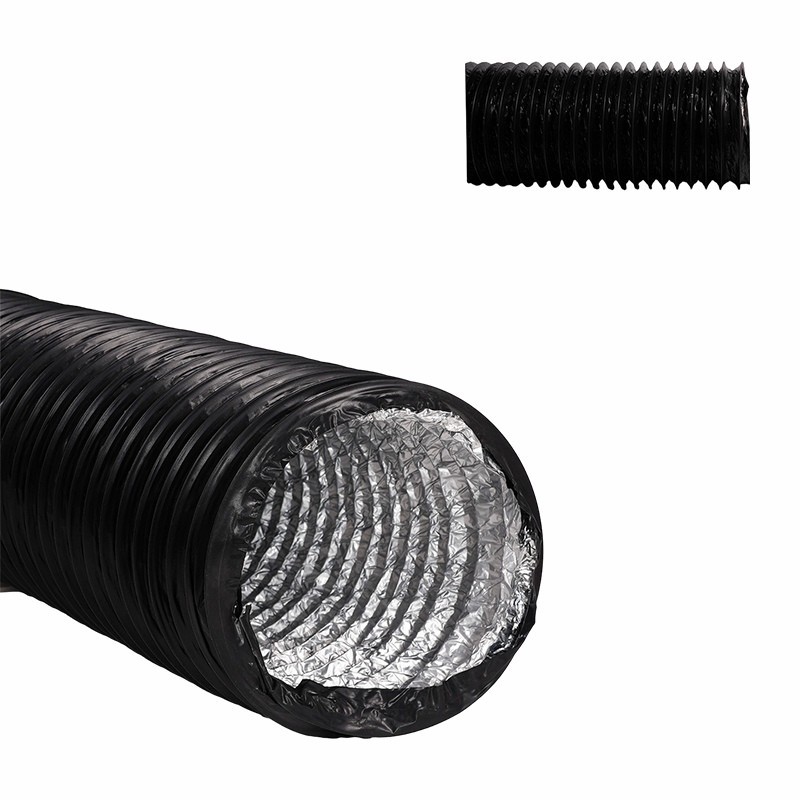
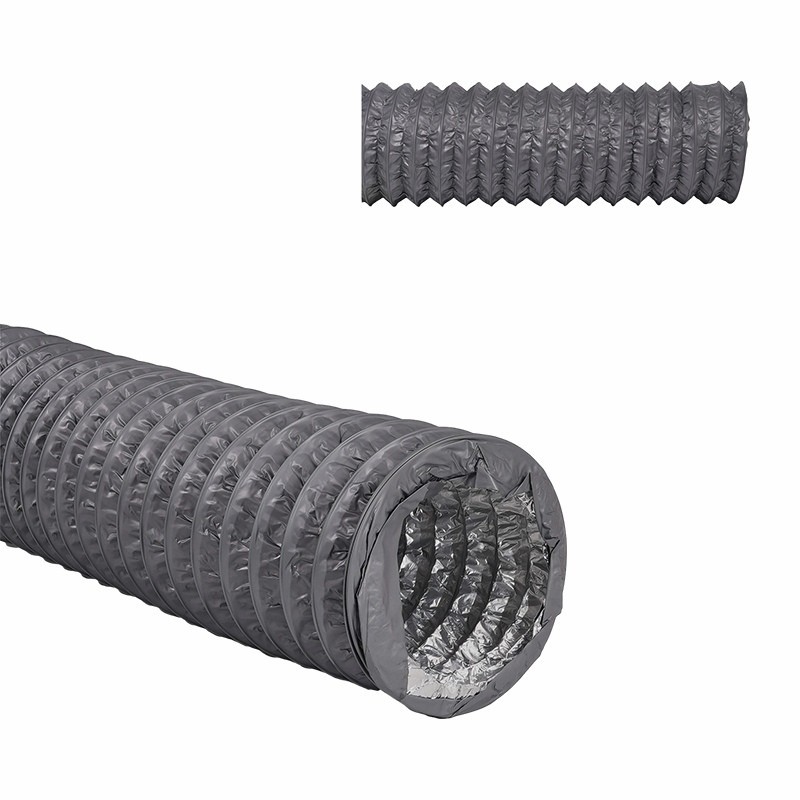
In the ventilation systems, multilayer PVC pipes are also widely used. For instance, the Black PVC Combi Air Duct, White PVC Combi Air Duct, and Grey PVC Combi Air Duct are designed to handle the movement and vibration that can occur in an air - handling system. The shock resistance of these pipes helps to prevent damage from vibrations, which could otherwise lead to leaks or reduced efficiency.
In the agricultural sector, multilayer PVC pipes are used for irrigation systems. These pipes are often laid on the ground and may be exposed to various elements, including the movement of machinery. Their shock - resistant nature allows them to withstand the stress caused by tractors and other equipment, ensuring a reliable water supply for crops.
Factors Affecting Shock Resistance
Several factors can influence the shock resistance of multilayer PVC pipes.
- Layer Composition: The materials used in each layer and their thickness can have a significant impact on shock resistance. For example, a pipe with a thicker outer layer may be more resistant to direct impacts.
- Temperature: PVC becomes more brittle at lower temperatures. In cold environments, the shock resistance of the pipes may be reduced. However, modern multilayer PVC pipes are often formulated to maintain their flexibility and shock - absorbing properties even in cold conditions.
- Installation: Proper installation is crucial for maximizing the shock resistance of multilayer PVC pipes. If the pipes are not installed correctly, they may be more prone to damage from impacts. For example, pipes that are not properly supported may sag, increasing the risk of cracking when subjected to a shock.
Testing and Quality Assurance
At our company, we take the shock resistance of our multilayer PVC pipes very seriously. We conduct a series of tests to ensure that our products meet the highest standards.
One of the common tests is the drop test. In this test, a pipe is dropped from a specific height onto a hard surface. The pipe is then inspected for any signs of damage. We also perform impact tests using specialized equipment to simulate real - world scenarios.
In addition to these tests, we have a comprehensive quality control system in place. Our pipes are manufactured using high - quality materials and advanced production techniques. We continuously monitor the production process to ensure that each pipe meets our strict quality criteria.
Comparing with Other Pipe Materials
When comparing multilayer PVC pipes with other pipe materials, their shock resistance is one of their key advantages.
Compared to metal pipes, multilayer PVC pipes are lighter and more flexible. Metal pipes can be more prone to denting and cracking when subjected to impacts. PVC pipes, on the other hand, can absorb and distribute the energy of an impact, reducing the risk of damage.
Compared to single - layer PVC pipes, multilayer PVC pipes offer enhanced shock resistance. The additional layers provide extra protection and help to distribute the force of an impact more effectively.
Conclusion and Call to Action
In conclusion, multilayer PVC pipes have excellent shock - resistance capabilities. Their unique structure and the properties of PVC make them well - suited for a variety of applications where shock resistance is important. Whether it's in construction, ventilation, or agriculture, these pipes can withstand the rigors of everyday use and provide a reliable solution.
If you're in the market for high - quality multilayer PVC pipes, we invite you to contact us for a detailed discussion. Our team of experts is ready to assist you in finding the right pipes for your specific needs. We can provide you with more information about our products, answer any questions you may have, and discuss pricing and delivery options.
References
- ASTM International. (20XX). Standard test methods for plastic pipes.
- Smith, J. (20XX). The properties and applications of PVC pipes. Journal of Construction Materials.