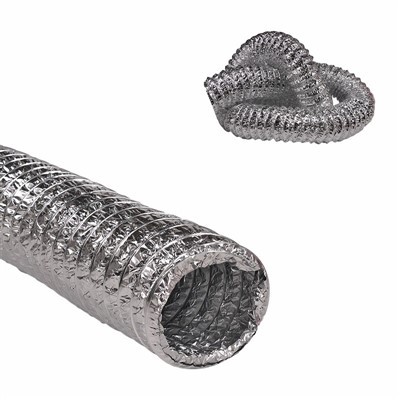

Hey there! As a supplier of Poly Braided Tubing, I've seen firsthand how important it is to store this stuff properly. In this blog post, I'm gonna share some tips on how to keep your poly braided tubing in top - notch condition.
Why Proper Storage Matters
First off, let me tell you why proper storage is a big deal. Poly braided tubing is used in a ton of different applications, from automotive to industrial. If it's not stored correctly, it can get damaged. Things like UV rays, extreme temperatures, and moisture can all take a toll on the tubing. And when it gets damaged, it won't perform as well. That means you might have leaks, reduced durability, and other problems. So, it's worth taking the time to store it right.
Choose the Right Location
The first step in proper storage is picking the right spot. You want a place that's cool, dry, and out of direct sunlight. Sunlight can cause the tubing to fade and become brittle over time. I once had a customer who stored their tubing outside in a shed that got really hot during the day. When they went to use it, the tubing was cracked and useless. So, find an indoor area, like a storage room or a closet.
If you're storing a large quantity of tubing, make sure the area is well - ventilated. This helps prevent the build - up of moisture, which can lead to mold and mildew. And keep the area clean. Dirt and debris can scratch the tubing and affect its performance.
Keep it Away from Chemicals
Poly braided tubing can be sensitive to certain chemicals. Things like solvents, acids, and strong cleaning agents can damage the tubing. So, when you're storing it, make sure it's far away from any chemical storage areas. For example, if you have a workshop with a bunch of chemicals, don't store the tubing right next to them.
I remember a situation where a customer accidentally spilled some solvent near their tubing. The solvent seeped into the tubing, and it started to break down. It was a real headache for them. So, be careful and keep the tubing in a chemical - free zone.

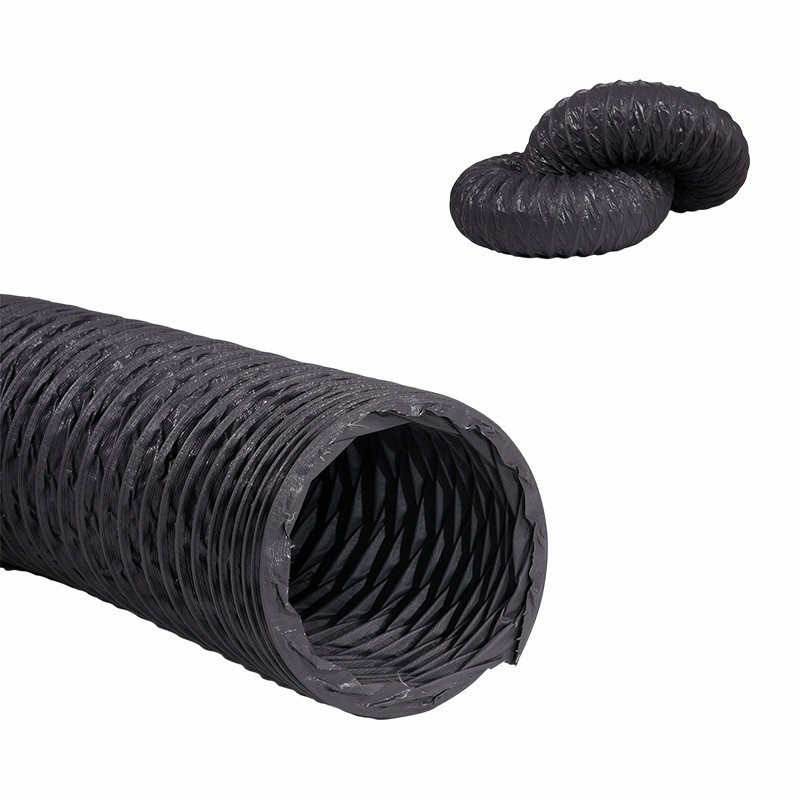
Use the Right Containers
Another important aspect of storage is using the right containers. You can use plastic bins or cardboard boxes to store the tubing. Just make sure the containers are clean and dry. If you're using plastic bins, look for ones that are opaque. This helps block out the light and protect the tubing from UV rays.
When you're putting the tubing in the container, try to avoid kinking it. Kinks can weaken the tubing and make it more likely to break. You can coil the tubing gently and place it in the container. If you have long lengths of tubing, you might want to use a spool to keep it organized.
Label Everything
Labeling is key when it comes to storing poly braided tubing. You want to know what type of tubing is in each container, its size, and any other relevant information. This makes it easier to find the tubing you need when you're working on a project.
You can use a label maker or just write on the container with a permanent marker. Make sure the labels are clear and easy to read. And if you have different types of tubing, like Black Nylon Hose, Woven Nylon Tubing, or Braided Nylon Tubing, label them separately.
Check Regularly
Even if you've stored the tubing properly, it's a good idea to check on it regularly. Look for any signs of damage, like cracks, discoloration, or mold. If you notice any problems, take action right away. You might need to move the tubing to a different location or replace it if it's too damaged.
I usually recommend checking the tubing every few months. This way, you can catch any issues early and prevent them from getting worse.
Temperature and Humidity Control
Temperature and humidity play a big role in the storage of poly braided tubing. You want to keep the temperature in the storage area relatively stable. Extreme heat can cause the tubing to expand and become soft, while extreme cold can make it brittle.
A good rule of thumb is to keep the temperature between 50°F and 80°F (10°C and 27°C). And aim for a humidity level of around 40% - 60%. You can use a thermometer and a hygrometer to monitor the temperature and humidity in the storage area. If the conditions are too extreme, you might need to use a heater or a dehumidifier to adjust them.
Stacking and Handling
When you're stacking the containers with the tubing, be careful not to stack them too high. If the stack is too tall, it can tip over and damage the tubing. And when you're handling the tubing, use gloves to avoid getting dirt and oil on it.
Also, try to avoid dragging the tubing across rough surfaces. This can cause scratches and damage. Instead, lift it gently and place it where you need it.
Rotate Your Stock
If you have a large inventory of poly braided tubing, it's a good idea to rotate your stock. This means using the oldest tubing first. This helps prevent the tubing from sitting in storage for too long and potentially getting damaged.
You can keep track of the date you received the tubing and use a first - in, first - out (FIFO) system. This ensures that you're using the tubing before it starts to degrade.
Conclusion
Proper storage of poly braided tubing is essential if you want it to last. By choosing the right location, keeping it away from chemicals, using the right containers, labeling everything, checking regularly, controlling temperature and humidity, being careful with stacking and handling, and rotating your stock, you can ensure that your tubing stays in great condition.
If you're in the market for high - quality poly braided tubing, we've got you covered. We offer a wide range of options, including Black Nylon Hose, Woven Nylon Tubing, and Braided Nylon Tubing. If you have any questions or want to discuss your specific needs, feel free to reach out. We're here to help you get the best tubing for your projects.
References
- General knowledge and experience in the poly braided tubing industry.
- Industry best practices for tubing storage.