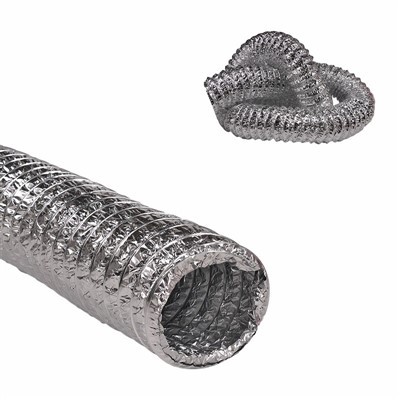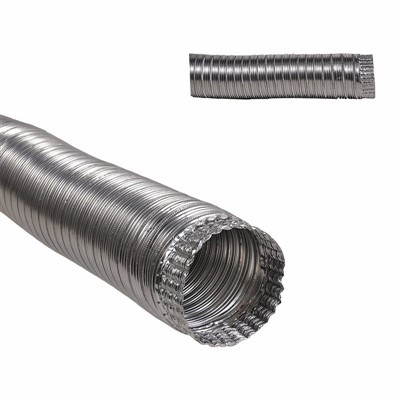

Poly braided tubing is a versatile product that has found its way into numerous industries, offering a range of benefits due to its unique construction and properties. As a supplier of poly braided tubing, I am often asked whether this product can be used in telecommunications applications. In this blog post, I will explore the potential of poly braided tubing in the telecommunications field, examining its characteristics, advantages, and possible applications.
Characteristics of Poly Braided Tubing
Poly braided tubing is typically made from synthetic materials such as nylon, polyester, or polypropylene. These materials are woven together in a braided pattern, which gives the tubing its strength and flexibility. The braided structure provides excellent resistance to abrasion, chemicals, and UV radiation, making it suitable for a variety of environments.
One of the key features of poly braided tubing is its high tensile strength. This means that it can withstand significant pulling forces without breaking or deforming. Additionally, the braided design allows the tubing to expand and contract, making it ideal for applications where flexibility is required.
Advantages of Using Poly Braided Tubing in Telecommunications
Protection of Cables
In telecommunications, cables are the lifeline of the network. They carry data, voice, and video signals over long distances, and any damage to these cables can result in service disruptions. Poly braided tubing provides an extra layer of protection for these cables, shielding them from physical damage, such as abrasion, cuts, and impacts. The tough and durable nature of the tubing ensures that the cables remain intact, even in harsh environments.
Flexibility and Ease of Installation
Telecommunications systems often require cables to be routed through tight spaces and around corners. Poly braided tubing's flexibility allows it to be easily bent and shaped to fit these requirements. This makes installation quicker and more efficient, reducing labor costs and minimizing the risk of cable damage during the installation process.
Resistance to Environmental Factors
Telecommunications equipment is often exposed to a variety of environmental factors, such as moisture, dust, and extreme temperatures. Poly braided tubing is resistant to these factors, providing a reliable barrier that protects the cables from corrosion and other forms of damage. This helps to extend the lifespan of the cables and ensures the long-term reliability of the telecommunications system.

Aesthetic Appeal
In addition to its functional benefits, poly braided tubing can also enhance the aesthetic appeal of a telecommunications installation. The tubing is available in a variety of colors and finishes, allowing it to blend in with the surrounding environment or add a decorative touch. This can be particularly important in commercial or public settings where the appearance of the installation is a consideration.
Applications of Poly Braided Tubing in Telecommunications
Cable Management
One of the most common applications of poly braided tubing in telecommunications is cable management. By bundling cables together with poly braided tubing, it becomes easier to organize and identify them. This not only improves the overall appearance of the installation but also makes it easier to troubleshoot and maintain the system.
Indoor and Outdoor Installations
Poly braided tubing can be used in both indoor and outdoor telecommunications installations. In indoor settings, it can be used to protect cables running through walls, ceilings, and floors. In outdoor settings, it can be used to protect cables exposed to the elements, such as those running along poles or buried underground.
Data Centers
Data centers are critical to the operation of modern telecommunications networks. Poly braided tubing can be used to protect the high-speed data cables that connect servers, switches, and other equipment in these facilities. The tubing's resistance to heat and fire makes it an ideal choice for use in data centers, where safety is a top priority.
Telecommunication Towers
Telecommunication towers are exposed to a variety of environmental conditions, including high winds, rain, and extreme temperatures. Poly braided tubing can be used to protect the cables that run up and down these towers, ensuring that they remain operational even in the most challenging conditions.
Types of Poly Braided Tubing for Telecommunications
Woven Nylon Tubing
Woven nylon tubing is a popular choice for telecommunications applications due to its high strength and flexibility. It is resistant to abrasion, chemicals, and UV radiation, making it suitable for both indoor and outdoor use. Nylon tubing is also available in a variety of colors, allowing it to be customized to match the specific requirements of the installation.
Black Nylon Hose
Black nylon hose is another option for telecommunications applications. It offers similar properties to woven nylon tubing but is typically thicker and more durable. Black nylon hose is often used in outdoor installations where it needs to withstand harsh environmental conditions.
Grey Nylon Fabric Air Duct - Plus
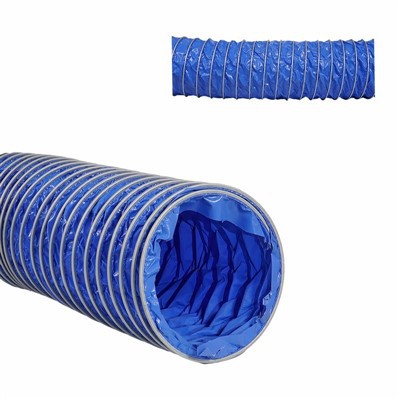
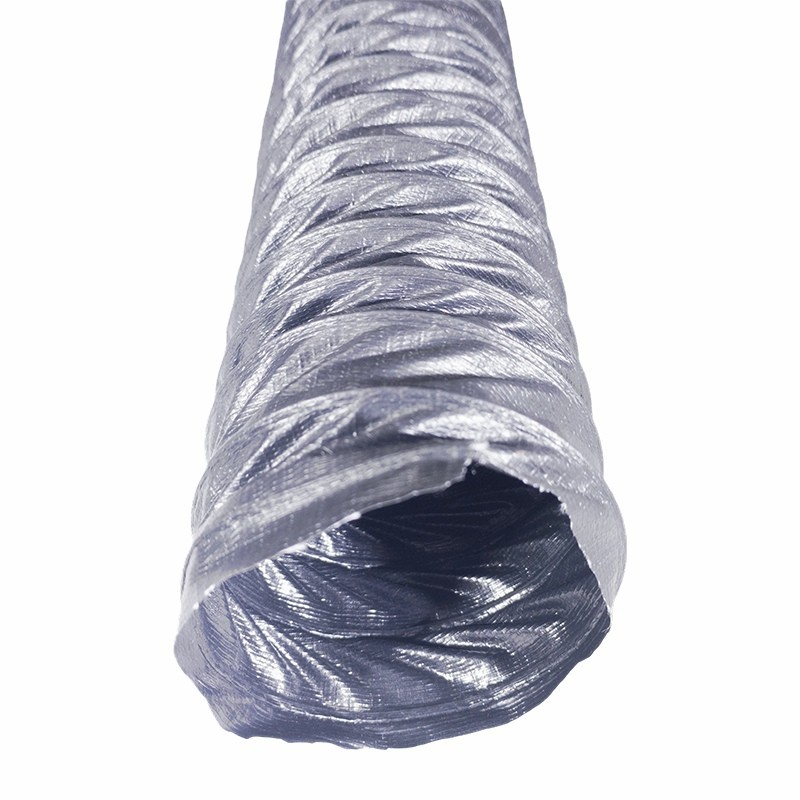
Grey nylon fabric air duct - Plus is a specialized type of poly braided tubing that is designed for use in air duct systems. It is made from a high-quality nylon fabric that is resistant to fire, smoke, and chemicals. This type of tubing is often used in telecommunications facilities to provide ventilation and cooling for equipment.
Conclusion
In conclusion, poly braided tubing has significant potential for use in telecommunications applications. Its unique combination of strength, flexibility, and resistance to environmental factors makes it an ideal choice for protecting cables and ensuring the reliable operation of telecommunications systems. Whether you are looking for a solution for cable management, indoor or outdoor installations, data centers, or telecommunication towers, poly braided tubing can provide the protection and performance you need.
If you are interested in learning more about our poly braided tubing products or discussing your specific telecommunications requirements, please feel free to contact us. Our team of experts is ready to assist you in finding the right solution for your needs.
References
- "Telecommunications Cabling Installation Best Practices," Telecommunications Industry Association (TIA).
- "Cable Protection and Management in Telecommunications," IEEE Transactions on Communications.
- "Polymer Materials for Telecommunications Applications," Journal of Polymer Science.