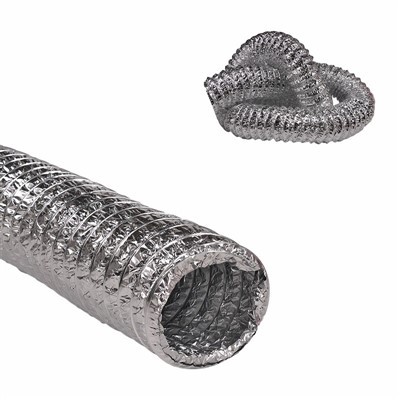

Hey there! As a supplier of insulated air ducts, I often get asked about how these ducts impact indoor air quality. It's a super important topic, especially considering we spend so much time indoors. So, let's dive right in and explore whether insulated air ducts affect indoor air quality.
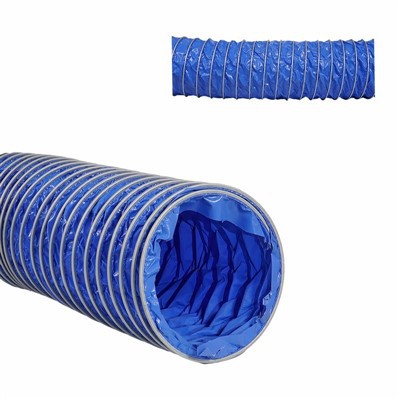
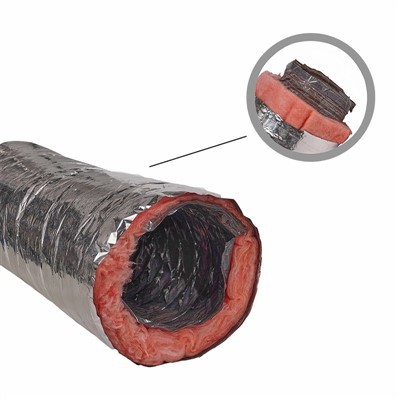
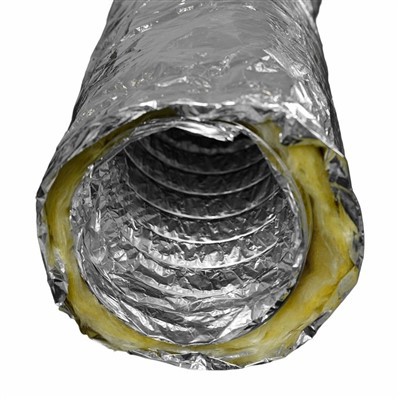
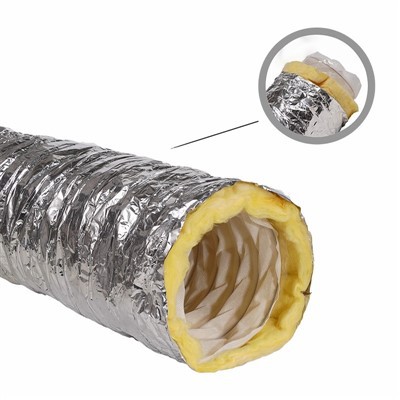
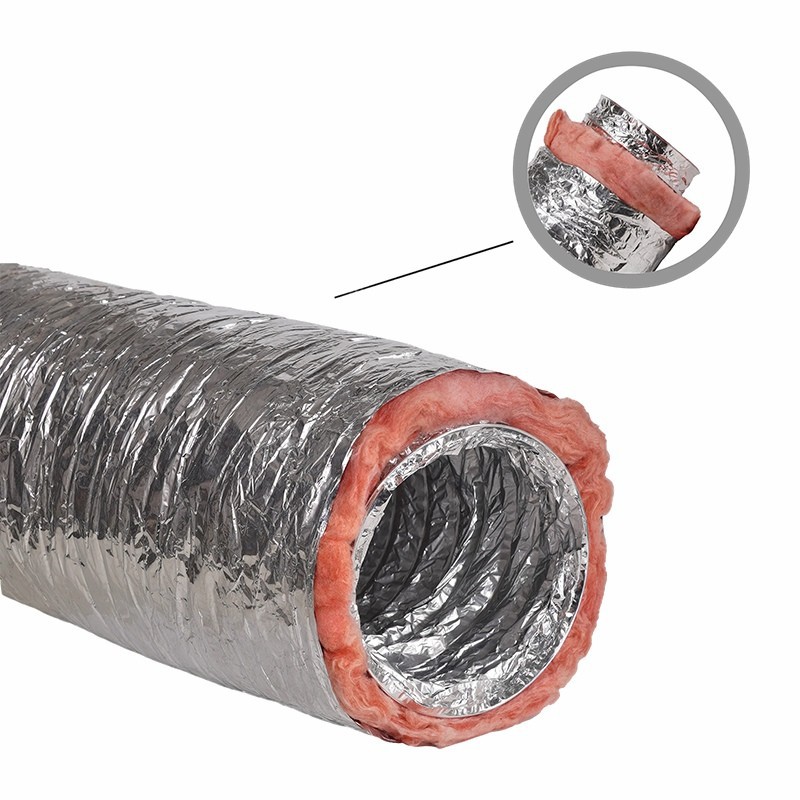
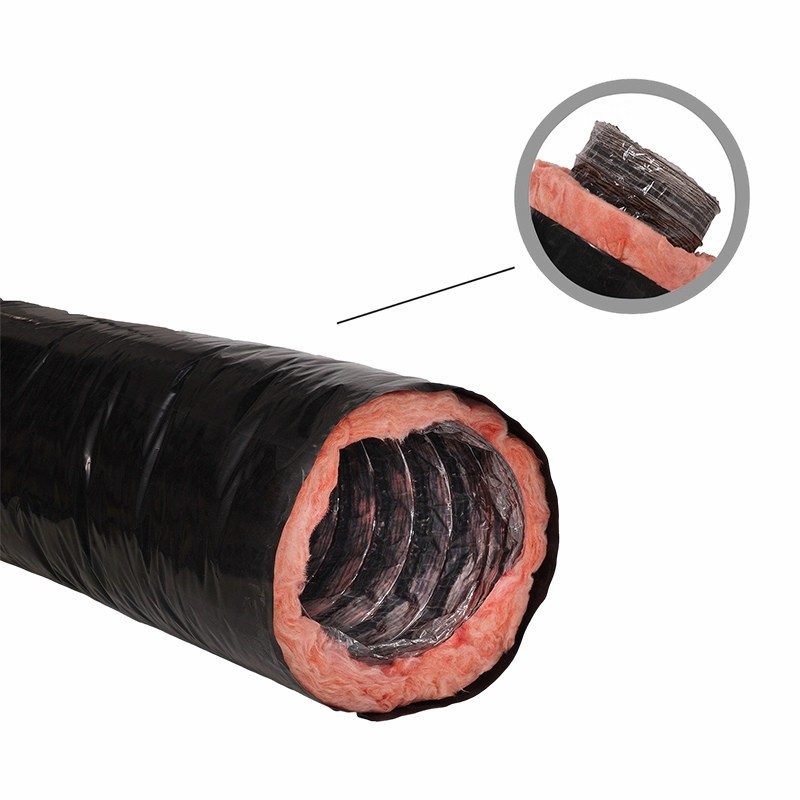
First off, let's understand what insulated air ducts are. Insulated air ducts are basically pipes that are wrapped with insulation materials. This insulation helps to maintain the temperature of the air flowing through the ducts. There are different types of insulation materials used, like fiberglass, cotton, and more. At our company, we offer a variety of options, such as the R6 Red Cotton Double-Layer Inner Tube, Double Wall Insulated Ductwork, and Double Layer Fiberglass Insulated Air Duct.
Now, let's talk about how these ducts can affect indoor air quality. One of the main ways is through preventing heat loss or gain. When the air ducts are insulated, they keep the conditioned air at the right temperature. This means that your HVAC system doesn't have to work as hard to maintain the desired indoor temperature. As a result, it can reduce the amount of energy used, which is great for the environment and your wallet. But how does this relate to air quality? Well, when the HVAC system is running more efficiently, it can better filter and circulate the air in your home or building.
Another aspect is that insulated air ducts can help prevent the growth of mold and mildew. Mold and mildew thrive in damp and warm environments. If the air ducts are not insulated, condensation can form on the inside of the ducts. This moisture provides the perfect breeding ground for mold and mildew. When these fungi grow in the ducts, they can release spores into the air, which can cause respiratory problems and other health issues. Insulated air ducts reduce the chances of condensation, thus minimizing the risk of mold and mildew growth.
However, it's important to note that not all insulation materials are created equal. Some insulation materials may release volatile organic compounds (VOCs) into the air. VOCs are chemicals that can have a negative impact on indoor air quality. They can cause headaches, dizziness, and even more serious health problems over time. That's why it's crucial to choose high-quality insulation materials. Our insulated air ducts are made from materials that are low in VOCs, ensuring that they don't compromise the indoor air quality.
In addition to preventing heat loss and mold growth, insulated air ducts can also reduce noise. The insulation acts as a sound barrier, dampening the noise from the HVAC system as the air moves through the ducts. This not only creates a more comfortable indoor environment but also has an indirect impact on air quality. When you're in a quieter environment, you're more likely to relax and breathe easier, which can contribute to better overall health.
Let's also consider the installation of insulated air ducts. If the ducts are not installed properly, it can lead to air leaks. Air leaks can allow unfiltered outdoor air to enter the indoor space, bringing in pollutants such as dust, pollen, and exhaust fumes. This can significantly degrade the indoor air quality. That's why it's important to have professional installers who know how to properly seal and insulate the ducts. At our company, we can provide guidance on installation or even connect you with trusted installers.
So, to sum it up, insulated air ducts can have a positive impact on indoor air quality. They help maintain the temperature of the air, prevent mold and mildew growth, reduce noise, and can even improve the efficiency of your HVAC system. However, it's important to choose the right insulation materials and ensure proper installation.
If you're interested in improving your indoor air quality with insulated air ducts, we'd love to talk to you. Whether you're a homeowner looking to upgrade your home's ventilation system or a business owner in need of commercial air ducts, we have the products and expertise to meet your needs. Don't hesitate to reach out and start a conversation about how our insulated air ducts can make a difference in your indoor environment.
References
- "Indoor Air Quality and Energy Efficiency in Buildings." U.S. Environmental Protection Agency.
- "The Importance of Duct Insulation." Energy Star.