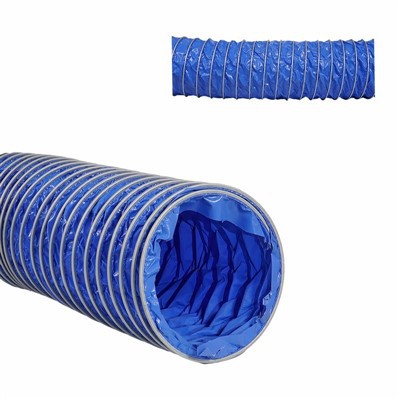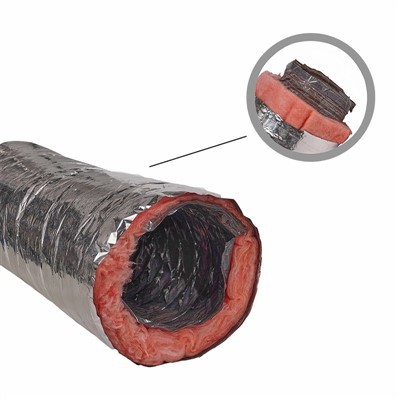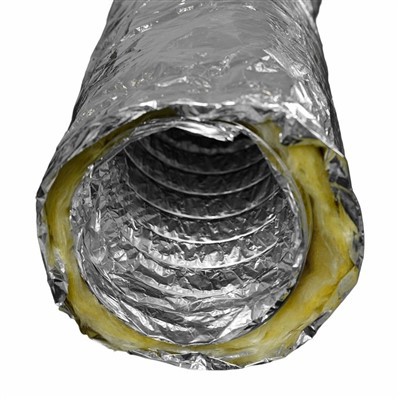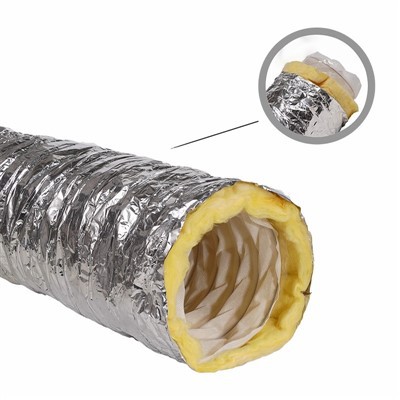

When it comes to industrial fabric air ducts, one of the most critical factors to consider is the weight capacity of the clips used to secure them. As a supplier of clip industrial fabric air ducts, I understand the importance of providing reliable products that can withstand the demands of various industrial applications. In this blog, we will delve into the concept of weight capacity for clips in industrial fabric air ducts, exploring the factors that influence it and how it impacts the overall performance and safety of the system.
Understanding the Basics of Clip Weight Capacity
The weight capacity of clips for industrial fabric air ducts refers to the maximum amount of weight that a clip can support without failing. This capacity is crucial because it determines the size and type of air ducts that can be safely installed and maintained. If a clip is overloaded, it may break or loosen, leading to air leakage, reduced efficiency, and even potential safety hazards.
Several factors contribute to the weight capacity of clips, including the material of the clip, its design, and the installation method. Let's take a closer look at each of these factors.
Material of the Clip
The material used to make the clip plays a significant role in determining its weight capacity. Common materials for clips include metal, plastic, and rubber. Metal clips, such as stainless steel or galvanized steel, are known for their high strength and durability. They can withstand heavy loads and are resistant to corrosion, making them suitable for harsh industrial environments. Plastic clips, on the other hand, are lightweight and cost-effective. They are often used in applications where weight is a concern or where a non-metallic option is preferred. Rubber clips are flexible and can provide a tight seal, but they may have a lower weight capacity compared to metal or plastic clips.
Design of the Clip
The design of the clip also affects its weight capacity. Clips come in various shapes and sizes, each designed to meet specific requirements. Some clips are designed to provide a strong grip, while others are more flexible to accommodate different types of air ducts. The number of contact points between the clip and the air duct, as well as the distribution of the load, can also impact the weight capacity. For example, a clip with multiple contact points may be able to distribute the weight more evenly, reducing the stress on any single point and increasing the overall weight capacity.
Installation Method
The way the clip is installed can also influence its weight capacity. Proper installation is essential to ensure that the clip is securely attached to the air duct and can support the intended load. If the clip is not installed correctly, it may not be able to withstand the weight, even if it has a high weight capacity on paper. It is important to follow the manufacturer's instructions for installation and to use the appropriate tools and techniques.
Factors Affecting the Weight Capacity of Industrial Fabric Air Ducts
In addition to the clip itself, several other factors can affect the weight capacity of industrial fabric air ducts. These factors include the size and shape of the air duct, the type of fabric used, and the operating conditions.
Size and Shape of the Air Duct
The size and shape of the air duct can have a significant impact on its weight capacity. Larger air ducts generally require more support and may need clips with a higher weight capacity. The shape of the air duct can also affect the distribution of the load. For example, a rectangular air duct may require different clips than a circular air duct to ensure proper support.
Type of Fabric Used
The type of fabric used in the air duct can also affect its weight capacity. Different fabrics have different strengths and properties, which can impact the overall weight that the air duct can support. For example, a heavy-duty fabric may be able to withstand more weight than a lightweight fabric. It is important to choose the right fabric for the specific application to ensure that the air duct can support the intended load.
Operating Conditions
The operating conditions of the air duct can also affect its weight capacity. Factors such as temperature, humidity, and pressure can all have an impact on the performance of the air duct and the clips. For example, high temperatures can cause the fabric to expand, which may increase the stress on the clips. It is important to consider the operating conditions when selecting the clips and to ensure that they are suitable for the specific environment.
Importance of Choosing the Right Clip for Industrial Fabric Air Ducts
Choosing the right clip for industrial fabric air ducts is crucial for ensuring the safety and efficiency of the system. Using clips with a weight capacity that is too low can lead to air leakage, reduced efficiency, and potential safety hazards. On the other hand, using clips with a weight capacity that is too high may be unnecessary and can increase the cost of the system.
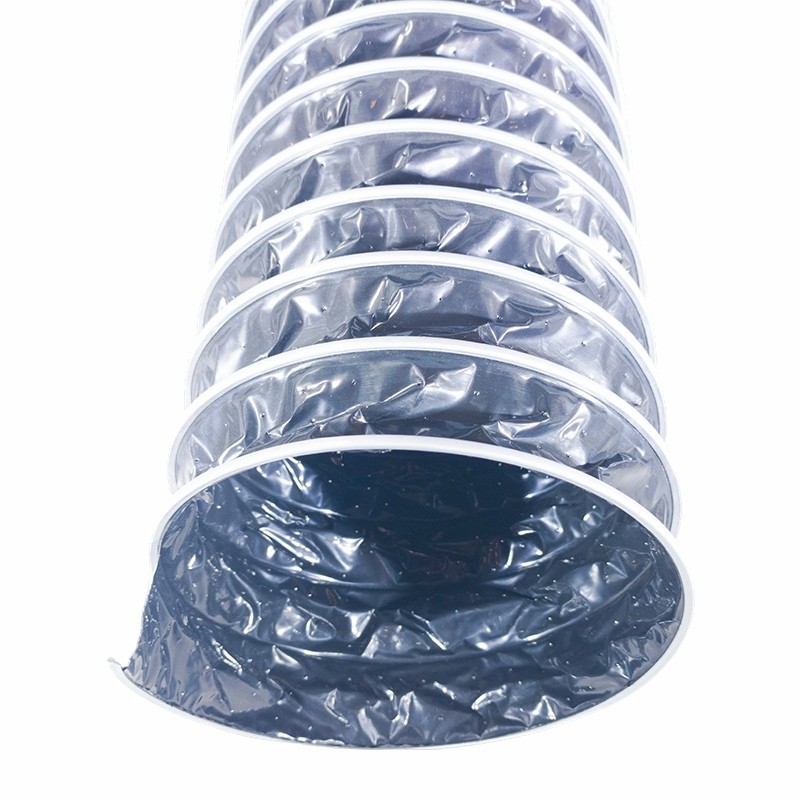
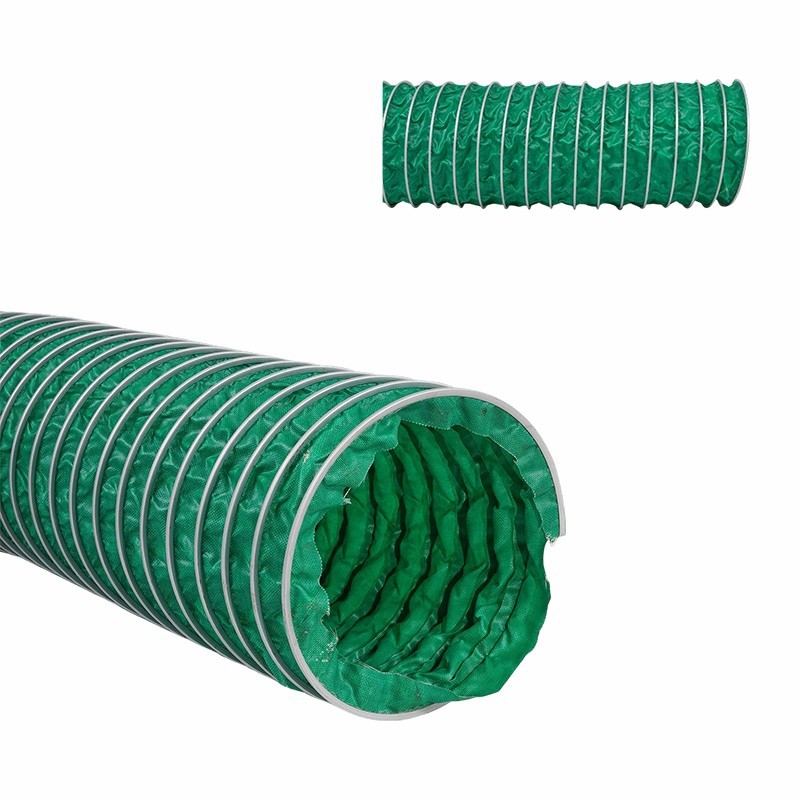
As a supplier of clip industrial fabric air ducts, we offer a wide range of clips with different weight capacities to meet the needs of various applications. Our Orange Clip Industrial Fabric Air Duct, Black Clip Industrial PE Air Duct, and Green Clip Industrial Fabric Air Duct are designed to provide reliable support for industrial fabric air ducts. We can help you choose the right clip based on your specific requirements and ensure that it is installed correctly for optimal performance.
How to Determine the Weight Capacity of Clips for Your Industrial Fabric Air Ducts
Determining the weight capacity of clips for your industrial fabric air ducts requires careful consideration of several factors. Here are some steps you can take to ensure that you choose the right clips for your application:
- Understand the requirements of your application: Consider the size, shape, and type of air duct, as well as the operating conditions. This will help you determine the weight capacity that the clips need to have.
- Consult the manufacturer's specifications: The manufacturer of the clips should provide information about the weight capacity of their products. Make sure to review these specifications carefully and choose clips that meet or exceed your requirements.
- Consider the installation method: The installation method can also affect the weight capacity of the clips. Make sure to follow the manufacturer's instructions for installation and use the appropriate tools and techniques.
- Test the clips: If possible, test the clips under the actual operating conditions to ensure that they can support the intended load. This can help you identify any potential issues and make adjustments as needed.
Conclusion
The weight capacity of clips for industrial fabric air ducts is a critical factor that can impact the performance and safety of the system. By understanding the factors that influence the weight capacity and choosing the right clips for your application, you can ensure that your industrial fabric air ducts are installed and maintained properly. As a supplier of clip industrial fabric air ducts, we are committed to providing high-quality products and expert advice to help you make the right choices for your industrial ventilation needs.
If you are interested in learning more about our clip industrial fabric air ducts or have any questions about weight capacity, please feel free to contact us for a consultation. We look forward to working with you to find the best solutions for your industrial applications.
References
- Manufacturer's specifications for clip industrial fabric air ducts
- Industry standards and guidelines for industrial ventilation systems