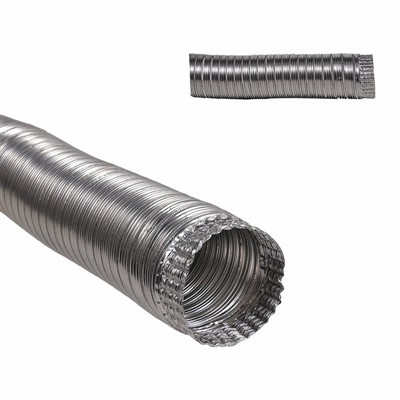

What is the Recommended Installation Height for Insulated Aluminum Flex Duct?
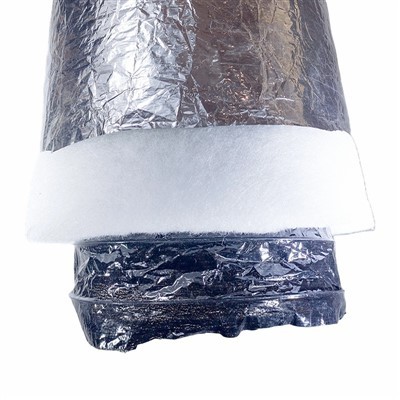
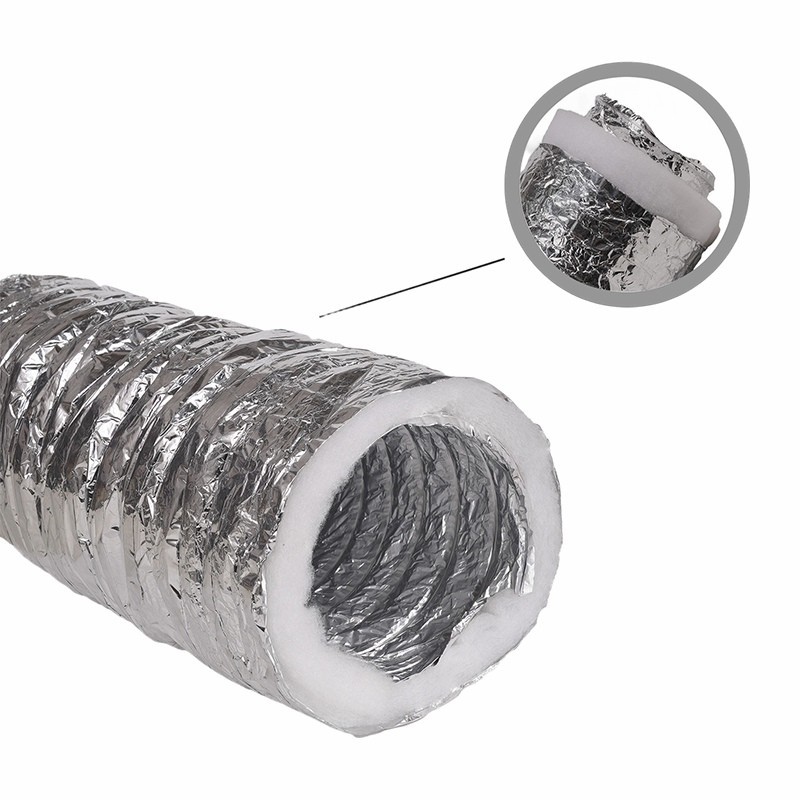
As a supplier of Insulated Aluminum Flex Duct, I've been asked numerous times about the recommended installation height for these ducts. The installation height of insulated aluminum flex ducts is a critical factor that can significantly impact the efficiency, performance, and safety of your HVAC system. In this blog post, I'll delve into the key considerations and provide guidelines to help you determine the optimal installation height for your insulated aluminum flex ducts.
Factors Affecting the Installation Height
1. Airflow Requirements
The primary function of an HVAC system is to circulate air effectively throughout a building. The installation height of the insulated aluminum flex duct can influence the airflow pattern and velocity. For instance, if the duct is installed too low, it may restrict the airflow, leading to reduced efficiency and uneven temperature distribution. On the other hand, if the duct is installed too high, it may cause the air to travel longer distances, resulting in increased energy consumption.
To ensure proper airflow, it's essential to consider the size and layout of the space, as well as the specific requirements of the HVAC system. In general, the duct should be installed at a height that allows for smooth and unobstructed airflow. This typically means installing the duct at a height that is at least 12 inches above any obstacles, such as furniture or equipment.

2. Accessibility for Maintenance
Another important factor to consider is the accessibility of the duct for maintenance and repairs. Insulated aluminum flex ducts require regular maintenance to ensure optimal performance and prevent issues such as leaks or blockages. Therefore, it's crucial to install the duct at a height that allows for easy access.
Ideally, the duct should be installed at a height that is within reach of maintenance personnel. This typically means installing the duct at a height that is no more than 8 feet above the ground. If the duct is installed at a higher height, it may be necessary to use a ladder or other equipment to access it, which can increase the risk of accidents and make maintenance more difficult.
3. Building Codes and Regulations
Building codes and regulations play a significant role in determining the installation height of insulated aluminum flex ducts. These codes are designed to ensure the safety and efficiency of HVAC systems and may specify minimum and maximum installation heights for ducts.
Before installing the duct, it's important to consult the local building codes and regulations to ensure compliance. In some cases, the codes may require the duct to be installed at a specific height or may prohibit the installation of ducts in certain areas. Failure to comply with these codes can result in fines or other penalties.
4. Aesthetics
In addition to the functional considerations, the installation height of the insulated aluminum flex duct can also have an impact on the aesthetics of the space. If the duct is installed too low, it may be visible and detract from the overall appearance of the room. On the other hand, if the duct is installed too high, it may be less noticeable but may also be more difficult to access for maintenance.
To balance functionality and aesthetics, it's important to consider the design and layout of the space when determining the installation height of the duct. In some cases, it may be possible to install the duct in a concealed location, such as in the ceiling or wall, to minimize its visibility.
Recommended Installation Heights
Based on the factors discussed above, the recommended installation height for insulated aluminum flex ducts can vary depending on the specific application and requirements. However, here are some general guidelines to help you determine the optimal installation height:
1. Residential Applications
In residential applications, the recommended installation height for insulated aluminum flex ducts is typically between 7 and 8 feet above the ground. This height allows for easy access for maintenance and repairs while also providing sufficient clearance for furniture and other obstacles.
If the duct is installed in a basement or crawl space, it may be necessary to install it at a lower height to avoid interference with the structure or other systems. In these cases, it's important to ensure that the duct is installed at a height that is at least 12 inches above the ground to prevent moisture damage.
2. Commercial Applications
In commercial applications, the recommended installation height for insulated aluminum flex ducts can vary depending on the size and layout of the space. In general, the duct should be installed at a height that allows for smooth and unobstructed airflow while also providing easy access for maintenance and repairs.
For large commercial buildings, the duct may be installed at a height of 10 feet or more to accommodate the high ceilings and large volumes of air. In smaller commercial spaces, such as offices or retail stores, the duct may be installed at a lower height, typically between 7 and 8 feet above the ground.
3. Special Applications
In some cases, such as in industrial or high-temperature applications, the recommended installation height for insulated aluminum flex ducts may be different. For example, in industrial applications where the duct is exposed to high temperatures or corrosive environments, it may be necessary to install the duct at a higher height to protect it from damage.
In high-temperature applications, such as in furnaces or ovens, the duct may need to be installed at a height that is at least 18 inches above the heat source to prevent overheating and damage to the duct.
Conclusion
The installation height of insulated aluminum flex ducts is a critical factor that can significantly impact the efficiency, performance, and safety of your HVAC system. By considering the factors discussed above and following the recommended installation heights, you can ensure that your duct is installed at the optimal height for your specific application and requirements.
If you have any questions or need further information about the installation of insulated aluminum flex ducts, please don't hesitate to contact us. We're a leading supplier of Insulated Aluminum Flex Duct and other HVAC products, and we're here to help you find the right solution for your needs.
References
- ASHRAE Handbook - HVAC Systems and Equipment
- International Residential Code (IRC)
- International Mechanical Code (IMC)