
What are the limitations of using a Green Clip Industrial Fabric Air Duct for long - distance air transportation?
As a supplier of Green Clip Industrial Fabric Air Ducts, I am well - versed in the features and applications of these products. While Green Clip Industrial Fabric Air Ducts offer numerous advantages, it's essential to understand their limitations, especially when it comes to long - distance air transportation.
1. Pressure Loss
One of the primary limitations of using a Green Clip Industrial Fabric Air Duct for long - distance air transportation is pressure loss. Air flowing through a duct encounters resistance due to the friction between the air and the inner surface of the duct. In long - distance ducts, this friction accumulates, resulting in a significant drop in pressure. As the air travels further, more energy is required to maintain the desired airflow rate.
The fabric material of the Green Clip Industrial Fabric Air Duct, although lightweight and flexible, has a relatively rough inner surface compared to some metal ducts. This roughness increases the frictional resistance, leading to higher pressure losses. For instance, in a large - scale industrial ventilation system where air needs to be transported over hundreds of meters, the pressure loss in a fabric duct can be substantial. This means that more powerful fans are needed to overcome the pressure drop, which in turn increases energy consumption and operating costs.
2. Air Leakage
Another significant limitation is air leakage. Long - distance air transportation requires a duct system that can maintain a high level of airtightness. However, Green Clip Industrial Fabric Air Ducts are more prone to air leakage compared to rigid metal ducts. The clips used to connect different sections of the fabric duct may not provide a completely airtight seal, especially over long distances.
Over time, the clips can loosen due to vibrations, temperature changes, and normal wear and tear. This can lead to air leakage at the connection points, reducing the efficiency of the air transportation system. Even a small amount of air leakage can have a significant impact on the overall performance of the system, as it reduces the amount of air reaching the intended destination and can also cause uneven air distribution.
3. Structural Integrity
The structural integrity of Green Clip Industrial Fabric Air Ducts can be a concern for long - distance air transportation. The fabric material is not as strong as metal, and it may not be able to withstand the high pressures and forces associated with long - distance air flow. In some cases, the duct may sag or deform under the weight of the air and its own weight, especially in horizontal runs over long distances.
This deformation can further increase pressure losses and air leakage. Additionally, the fabric may be more susceptible to damage from external factors such as sharp objects, rodents, or chemical exposure. In an industrial environment, where there are many potential hazards, the risk of damage to the fabric duct is relatively high. If the duct is damaged, it can lead to complete failure of the air transportation system, resulting in costly repairs and downtime.
4. Temperature and Humidity Control
Maintaining consistent temperature and humidity levels is crucial in many industrial applications. However, Green Clip Industrial Fabric Air Ducts may have limitations in this regard for long - distance air transportation. The fabric material is more porous than metal, which means it can allow heat and moisture to transfer more easily.
During long - distance air transportation, the air may experience significant temperature and humidity changes as it passes through the duct. This can be a problem in applications where precise temperature and humidity control is required, such as in cleanrooms or food processing facilities. The fabric duct may not be able to provide the same level of insulation as a metal duct, leading to energy losses and potential quality issues in the products being processed.
5. Limited Air Velocity
Green Clip Industrial Fabric Air Ducts have a limited capacity to handle high - velocity airflows. For long - distance air transportation, higher air velocities are often required to ensure that the air reaches the destination in a timely manner. However, the fabric material may not be able to withstand the high - velocity air without causing excessive noise, vibration, or damage.
When the air velocity is too high, it can cause the fabric to flutter, which not only creates noise but also increases the risk of damage to the duct. Additionally, high - velocity air can increase the pressure losses and air leakage, further reducing the efficiency of the system. As a result, the maximum air velocity that can be safely used in a Green Clip Industrial Fabric Air Duct is often lower than that of a metal duct, which can limit its effectiveness for long - distance air transportation.
Despite these limitations, Green Clip Industrial Fabric Air Ducts still have many advantages, such as their lightweight, easy installation, and cost - effectiveness. In some applications where the distance is relatively short or the requirements for air quality and performance are not extremely high, they can be a suitable choice.
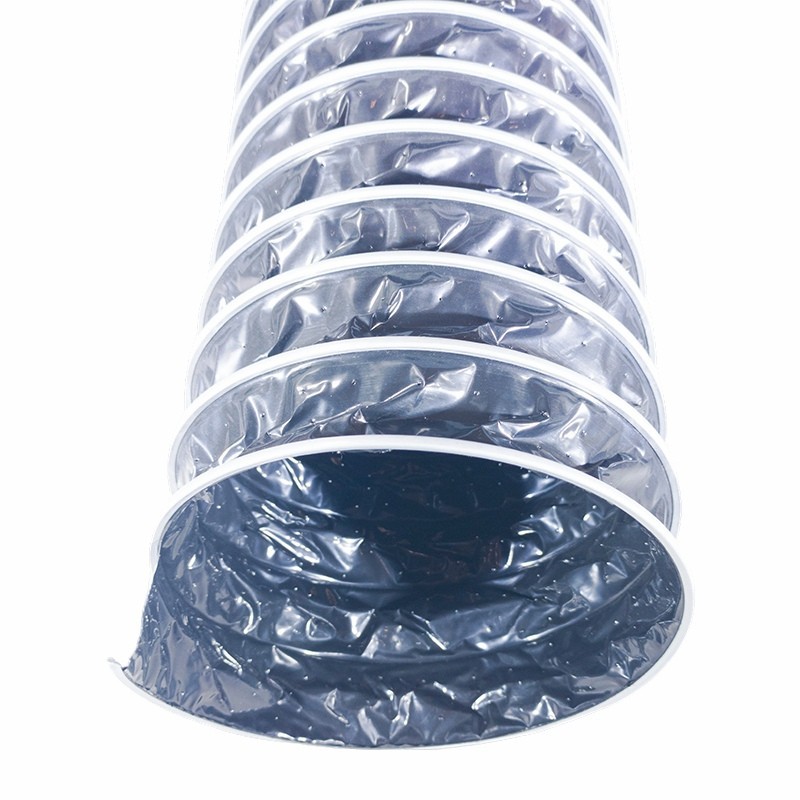

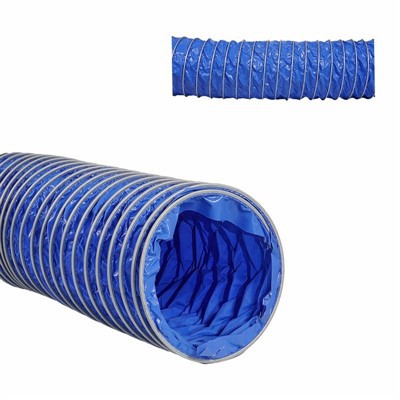
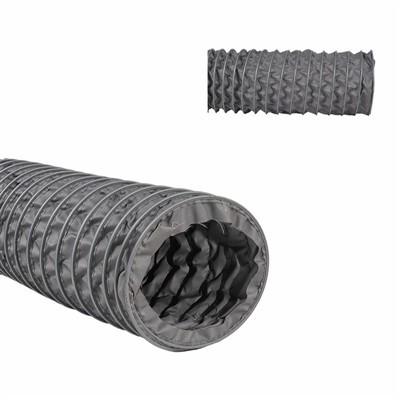
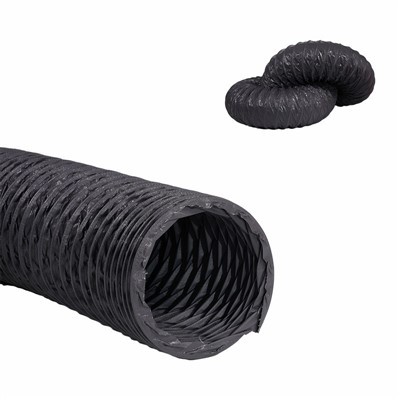
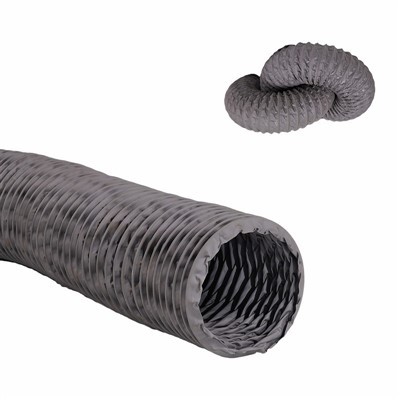
If you are considering using Green Clip Industrial Fabric Air Ducts for your air transportation needs, it's important to carefully evaluate the specific requirements of your project. We offer a range of products, including the High Temperature Grey Clip Industrial Fabric Air Duct, Green Clip Industrial Fabric Air Duct, and Black Clip Industrial PE Air Duct.
If you have any questions or would like to discuss your air duct requirements further, please feel free to contact us for a detailed consultation. We are committed to providing the best solutions for your industrial air transportation needs.
References
- ASHRAE Handbook - Fundamentals. American Society of Heating, Refrigerating and Air - Conditioning Engineers.
- Industrial Ventilation Manual. Various industry - specific publications on ventilation systems.