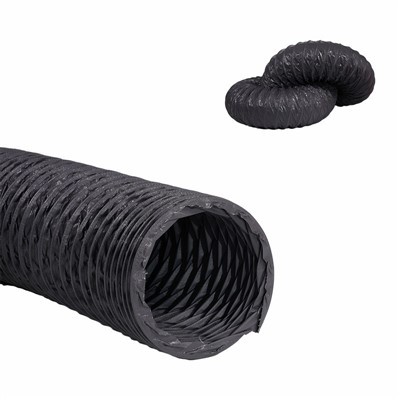

As a supplier of Black Clip Industrial PE Air Duct, I often encounter questions from customers regarding the product's performance in various environments, especially its resistance to chemicals. In this blog post, I will delve into the topic of whether the Black Clip Industrial PE Air Duct is resistant to chemicals, providing scientific insights and practical information.
Understanding the Composition of Black Clip Industrial PE Air Duct
Before we discuss chemical resistance, it's essential to understand what the Black Clip Industrial PE Air Duct is made of. Polyethylene (PE) is the primary material used in these air ducts. PE is a thermoplastic polymer known for its versatility, durability, and relatively low cost. It comes in different densities, such as high - density polyethylene (HDPE) and low - density polyethylene (LDPE), each with its own set of properties.
The Black Clip Industrial PE Air Duct is typically made of HDPE, which offers higher strength, stiffness, and better chemical resistance compared to LDPE. The black color is often achieved by adding carbon black, which not only provides UV protection but also enhances the duct's overall durability.
Chemical Resistance of Polyethylene
Polyethylene has a general reputation for being resistant to many chemicals. This is due to its non - polar nature and the strong carbon - carbon and carbon - hydrogen bonds in its molecular structure. These bonds make it difficult for many chemicals to break down the polymer chains.
Resistance to Acids
Most dilute acids have little effect on polyethylene. For example, acetic acid, which is commonly found in vinegar, and hydrochloric acid at low concentrations do not react with HDPE. However, concentrated acids can pose a risk. Strong oxidizing acids like concentrated sulfuric acid or nitric acid can cause degradation of the polyethylene over time. At high temperatures, the reaction rate between the acid and the polymer increases, leading to more rapid deterioration.
Resistance to Bases
Polyethylene is highly resistant to most bases. Sodium hydroxide and potassium hydroxide solutions, even at relatively high concentrations, do not react with HDPE. This makes the Black Clip Industrial PE Air Duct suitable for use in environments where alkaline substances are present, such as in some industrial cleaning processes or wastewater treatment facilities.
Resistance to Organic Solvents
The resistance of polyethylene to organic solvents varies widely. Non - polar solvents like hexane, toluene, and xylene can cause swelling of the polyethylene. Prolonged exposure to these solvents can lead to a loss of mechanical properties, such as reduced strength and increased brittleness. On the other hand, polar solvents like ethanol and methanol have a much lower impact on polyethylene, and in many cases, the material can withstand short - term exposure without significant damage.
Factors Affecting Chemical Resistance
Several factors can influence the chemical resistance of the Black Clip Industrial PE Air Duct:
Temperature
As mentioned earlier, temperature plays a crucial role in chemical reactions. Higher temperatures increase the kinetic energy of the molecules, making it easier for chemicals to penetrate the polymer structure. For example, a chemical that may have little effect on the air duct at room temperature could cause significant damage at elevated temperatures.
Concentration
The concentration of the chemical also matters. A dilute solution of a particular chemical may not cause any harm, while a concentrated solution could lead to degradation. It's important to consider the concentration of chemicals in the environment where the air duct will be used.
Exposure Time
The longer the air duct is exposed to a chemical, the greater the likelihood of damage. Short - term exposure to a chemical may not cause visible effects, but continuous or repeated exposure over an extended period can lead to degradation of the material.
Real - World Applications and Case Studies
In industrial settings, the Black Clip Industrial PE Air Duct is often used in a variety of applications. For example, in the food and beverage industry, it can be used to transport air in areas where mild cleaning agents are used. Since these cleaning agents are usually dilute solutions of acids or bases, the air duct can withstand the chemical exposure without significant damage.
In the pharmaceutical industry, where strict hygiene standards are required, the chemical resistance of the air duct is crucial. The ability to resist common disinfectants and cleaning agents ensures that the air duct can maintain its integrity and contribute to a clean and safe environment.
Comparison with Other Air Duct Materials
When compared to other air duct materials, such as metal or fabric air ducts, the Black Clip Industrial PE Air Duct has its own advantages in terms of chemical resistance. Metal air ducts can be prone to corrosion when exposed to certain chemicals, especially acids and salts. Fabric air ducts, on the other hand, may not have the same level of chemical resistance as polyethylene.
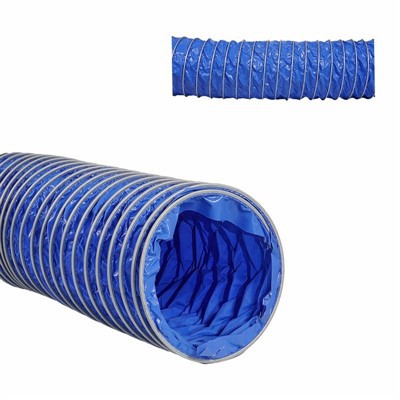
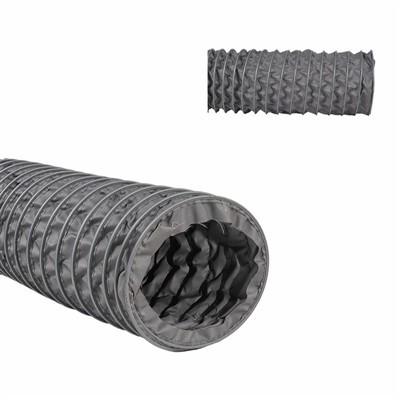
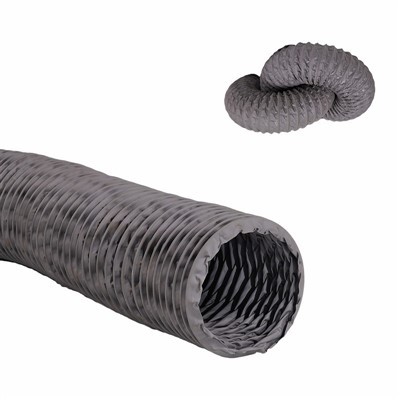
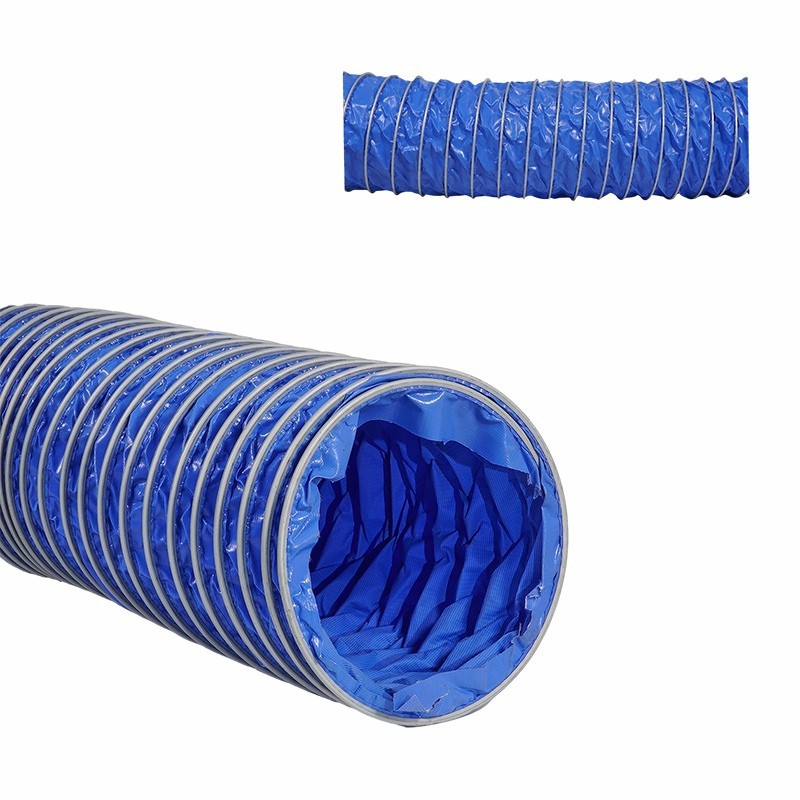
For example, the High Temperature Grey Clip Industrial Fabric Air Duct, Orange Clip Industrial Fabric Air Duct, and Blue Clip Industrial Fabric Air Duct may be more suitable for applications where air distribution is the primary concern, but they may not be as resistant to chemicals as the Black Clip Industrial PE Air Duct.
Conclusion
In conclusion, the Black Clip Industrial PE Air Duct has a certain degree of chemical resistance, especially to many common acids, bases, and some polar solvents. However, its performance can be affected by factors such as temperature, concentration, and exposure time. When considering using the air duct in a chemical - rich environment, it's important to carefully assess the specific chemicals involved and their conditions.
If you are in the market for an air duct that offers good chemical resistance for your industrial application, I encourage you to reach out for a detailed discussion. We can provide you with more information about the product's capabilities and help you determine if it is the right fit for your needs. Contact us to start the procurement and negotiation process.

References
- "Handbook of Polymer Science and Technology"
- "Polymer Chemistry: An Introduction"
- Industry reports on air duct materials and their performance in chemical environments.