
Hey there! As a supplier of Single Layer Fiberglass Insulated Air Ducts, I've been getting a lot of questions lately about how these ducts impact energy consumption. So, I thought I'd take a deep dive into this topic and share what I've learned.
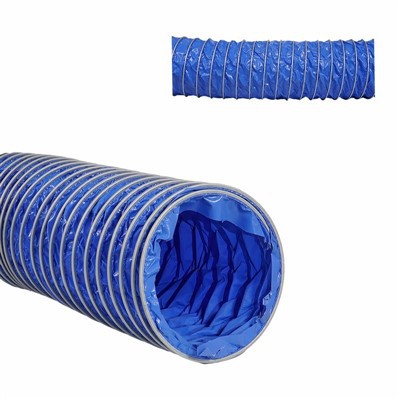
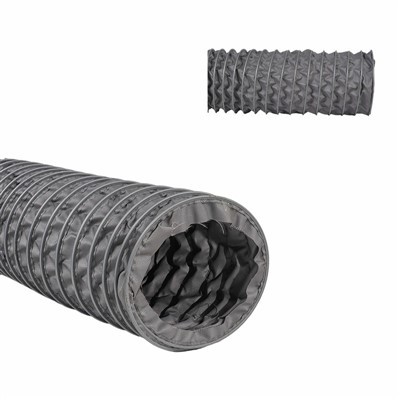
Let's start by understanding what a Single Layer Fiberglass Insulated Air Duct is. These ducts are made of a single layer of fiberglass insulation, which is known for its excellent thermal properties. Fiberglass is a popular choice for insulation because it's lightweight, resistant to fire, and has a high R-value, which measures the insulation's ability to resist heat flow.
Now, let's talk about how these ducts affect energy consumption. One of the primary ways is through heat transfer. In a heating or cooling system, the air inside the ducts needs to maintain a certain temperature as it travels from the HVAC unit to different parts of a building. If the ducts aren't well-insulated, heat can escape or enter the ducts, causing the HVAC system to work harder to maintain the desired temperature.
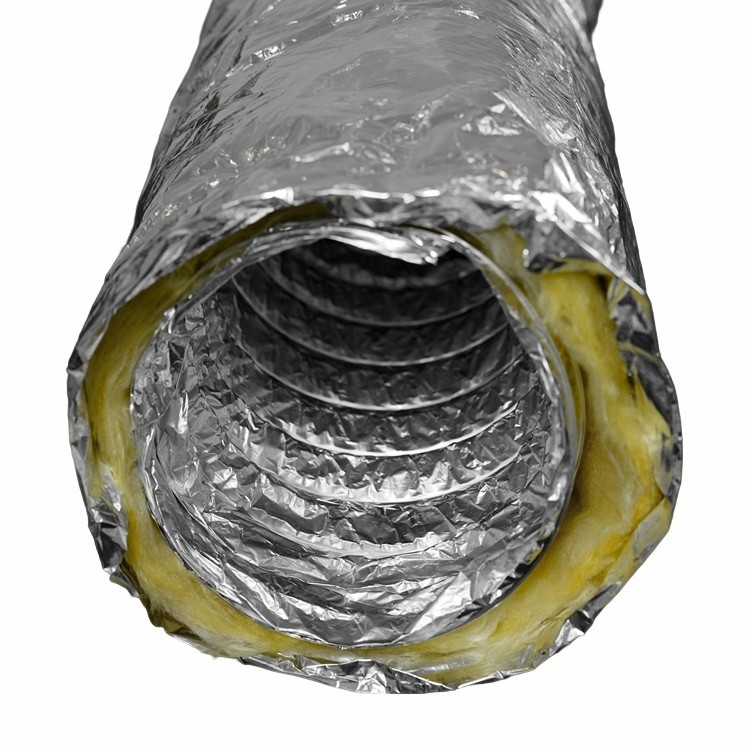
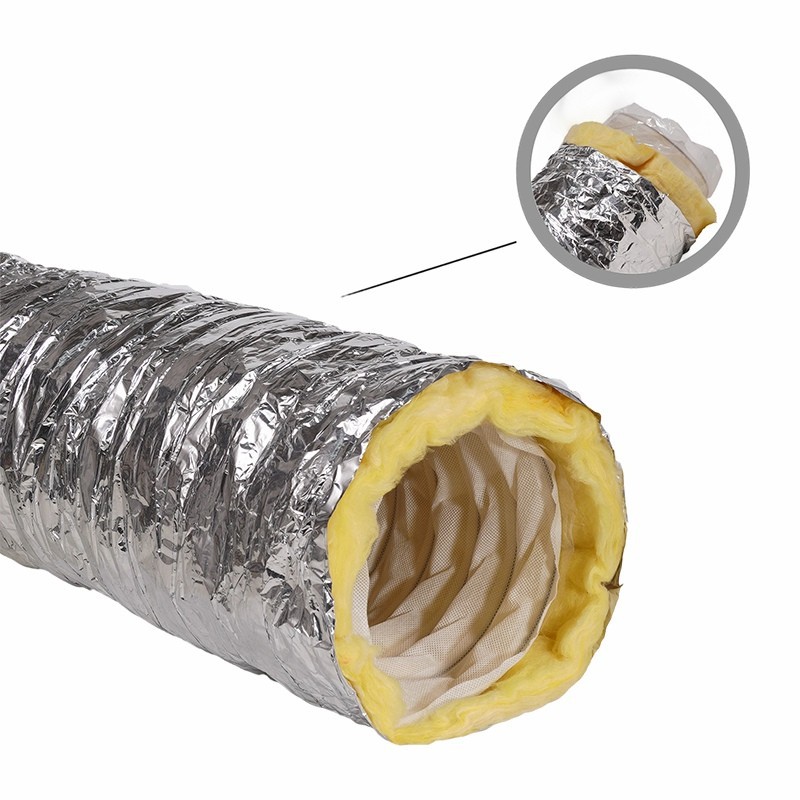
A Single Layer Fiberglass Insulated Air Duct helps reduce this heat transfer. The fiberglass insulation acts as a barrier, preventing heat from seeping in or out of the ducts. This means that the HVAC system doesn't have to work as hard to keep the air at the right temperature, leading to lower energy consumption.
For example, in a commercial building, the HVAC system is often one of the biggest energy consumers. By using Single Layer Fiberglass Insulated Air Ducts, the building can save a significant amount of energy. The reduced heat transfer means that the HVAC system can operate more efficiently, using less electricity or fuel.
Another factor to consider is air leakage. Leaky ducts can cause a lot of energy waste. When air leaks out of the ducts, the HVAC system has to constantly replace the lost air, using more energy in the process. Single Layer Fiberglass Insulated Air Ducts are designed to be airtight, which helps prevent air leakage. This further contributes to energy savings.
Let's compare Single Layer Fiberglass Insulated Air Ducts with other types of ducts. Double Layer Fiberglass Insulated Air Duct have two layers of insulation, which provides even better thermal resistance. However, they are also more expensive and heavier. Single layer ducts offer a good balance between cost, weight, and energy efficiency.
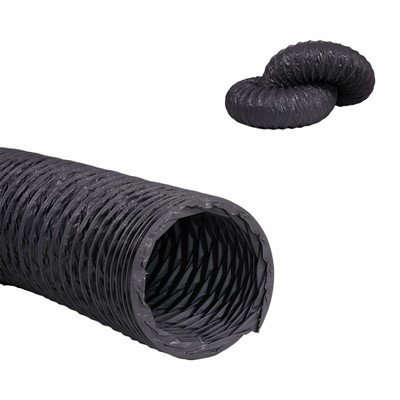
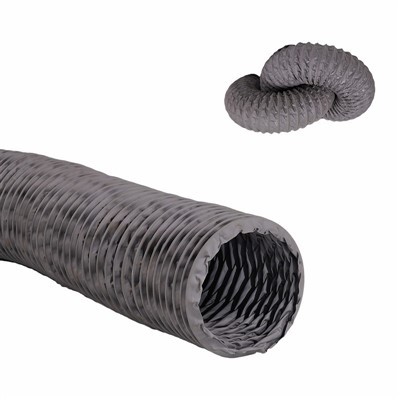
Insulated Polyester Flexible Duct are another option. They are flexible and easy to install, but they may not have the same level of insulation as fiberglass ducts. Fiberglass insulation has a higher R-value, which means it can better resist heat transfer.
In addition to energy savings, Single Layer Fiberglass Insulated Air Ducts also have other benefits. They are durable and can last for a long time, reducing the need for frequent replacements. They are also easy to clean and maintain, which helps keep the air quality in the building high.
Now, let's look at some real-world examples of how these ducts can impact energy consumption. In a residential setting, a home with Single Layer Fiberglass Insulated Air Ducts can see a noticeable reduction in energy bills. The HVAC system doesn't have to work as hard to heat or cool the home, resulting in lower energy usage.
In a commercial building, the savings can be even more significant. A large office building with a well-insulated duct system can save thousands of dollars in energy costs each year. This not only benefits the building owner but also the environment by reducing the carbon footprint.
If you're considering using Single Layer Fiberglass Insulated Air Ducts for your project, there are a few things to keep in mind. First, make sure to choose a high-quality product. Look for ducts that meet industry standards and have been tested for performance. Second, proper installation is crucial. A poorly installed duct system can lead to air leakage and reduced energy efficiency.
In conclusion, Single Layer Fiberglass Insulated Air Ducts have a significant impact on energy consumption. They help reduce heat transfer and air leakage, which leads to lower energy usage and cost savings. Whether you're building a new home or a commercial building, these ducts are a great choice for improving energy efficiency.
If you're interested in learning more about our Single Layer Fiberglass Insulated Air Duct or have any questions about energy consumption and duct systems, feel free to reach out. We're here to help you make the best decision for your project.
References:
- ASHRAE Handbook of Fundamentals
- Energy Star Guidelines for HVAC Systems