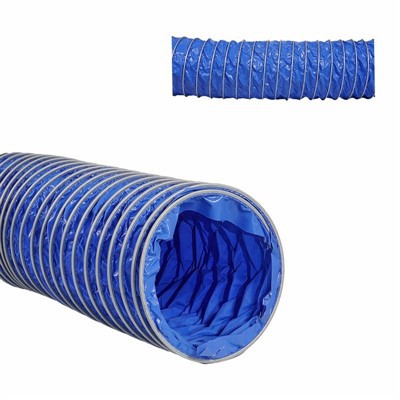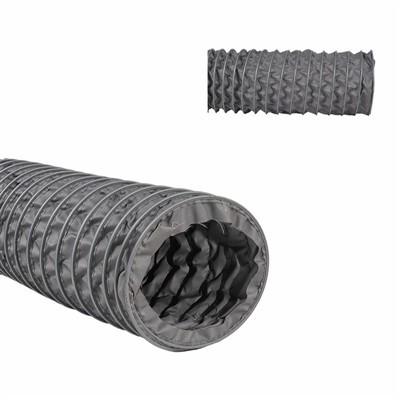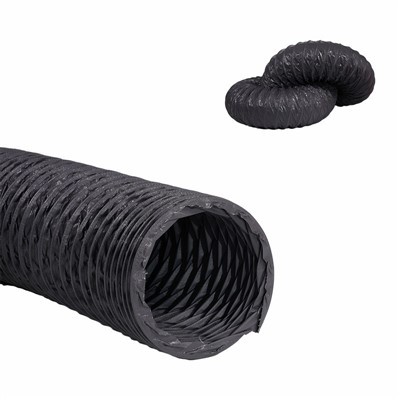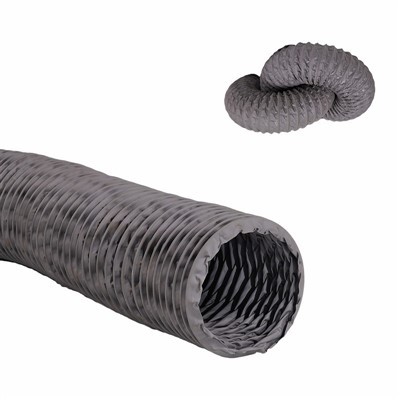

As a supplier of Insulated Polyester Flexible Duct, I often get asked about the heat transfer coefficient of our products. In this blog, I'll delve into what the heat transfer coefficient is, how it relates to Insulated Polyester Flexible Duct, and why it's crucial for your HVAC systems.
Understanding the Heat Transfer Coefficient
The heat transfer coefficient, denoted as (h), is a measure of the rate of heat transfer between a solid surface and a fluid (such as air) in contact with it. It quantifies how easily heat can be transferred through a material. The unit of the heat transfer coefficient is typically (W/(m²·K)) in the SI system.
A higher heat transfer coefficient means that heat can be transferred more quickly, while a lower coefficient indicates better insulation properties and slower heat transfer. When it comes to Insulated Polyester Flexible Duct, a low heat transfer coefficient is desirable because it helps to minimize heat loss or gain as air is transported through the duct.
Factors Affecting the Heat Transfer Coefficient of Insulated Polyester Flexible Duct
Several factors can influence the heat transfer coefficient of our Insulated Polyester Flexible Duct:
Insulation Material
The type and quality of insulation used in the duct play a significant role. Polyester insulation is known for its good thermal resistance properties. The thickness and density of the insulation also affect the heat transfer coefficient. Thicker insulation generally results in a lower heat transfer coefficient, as it provides more resistance to heat flow.
Airflow Velocity
The speed at which air flows through the duct can impact the heat transfer coefficient. Higher airflow velocities can increase the convective heat transfer between the air and the duct walls. This is because faster - moving air can carry heat away from the duct surface more efficiently. However, this also depends on the design of the duct and the insulation.
Duct Wall Thickness
The thickness of the duct wall itself can affect heat transfer. A thicker duct wall can provide additional resistance to heat flow, reducing the heat transfer coefficient. Our Insulated Polyester Flexible Duct is designed with an appropriate wall thickness to optimize thermal performance.
Measuring the Heat Transfer Coefficient
There are several methods to measure the heat transfer coefficient of Insulated Polyester Flexible Duct. One common approach is the guarded hot plate method. In this method, a sample of the duct is placed between a heated plate and a cooled plate. The heat flow through the sample is measured, and the heat transfer coefficient is calculated based on the temperature difference between the plates and the area of the sample.
Another method is the heat flux sensor method. Heat flux sensors are placed on the surface of the duct to measure the heat flow. By knowing the temperature difference across the duct wall and the heat flux, the heat transfer coefficient can be determined.
Importance of the Heat Transfer Coefficient in HVAC Systems
In HVAC (Heating, Ventilation, and Air Conditioning) systems, the heat transfer coefficient of the ductwork is crucial for energy efficiency. A duct with a low heat transfer coefficient can reduce heat loss or gain during air transportation, which means less energy is required to heat or cool the air. This not only saves energy but also reduces operating costs.
For example, in a commercial building, if the ductwork has a high heat transfer coefficient, a significant amount of heat can be lost during the winter or gained during the summer. This forces the HVAC system to work harder to maintain the desired indoor temperature, leading to higher energy consumption and increased utility bills.
Our Insulated Polyester Flexible Duct Products
We offer a range of Insulated Polyester Flexible Duct products with excellent thermal performance. Our Double Layer Fiberglass Insulated Air Duct is designed with a double - layer structure that provides enhanced insulation. The fiberglass insulation helps to reduce the heat transfer coefficient, ensuring efficient air transportation.
Our Single Aluminum Yellow Cotton Silencer Tube also offers good insulation properties. The combination of aluminum and yellow cotton insulation helps to minimize heat transfer while also reducing noise levels.
For larger HVAC systems, our 12 Inch Insulated Flexible Duct R8 is a great choice. With an R - value of 8, it provides high - level insulation and a low heat transfer coefficient.
How to Choose the Right Insulated Polyester Flexible Duct
When choosing an Insulated Polyester Flexible Duct, it's important to consider the heat transfer coefficient. You should look for ducts with a low heat transfer coefficient to ensure energy efficiency. Additionally, consider the size of the duct, the airflow requirements, and the environmental conditions in which the duct will be installed.
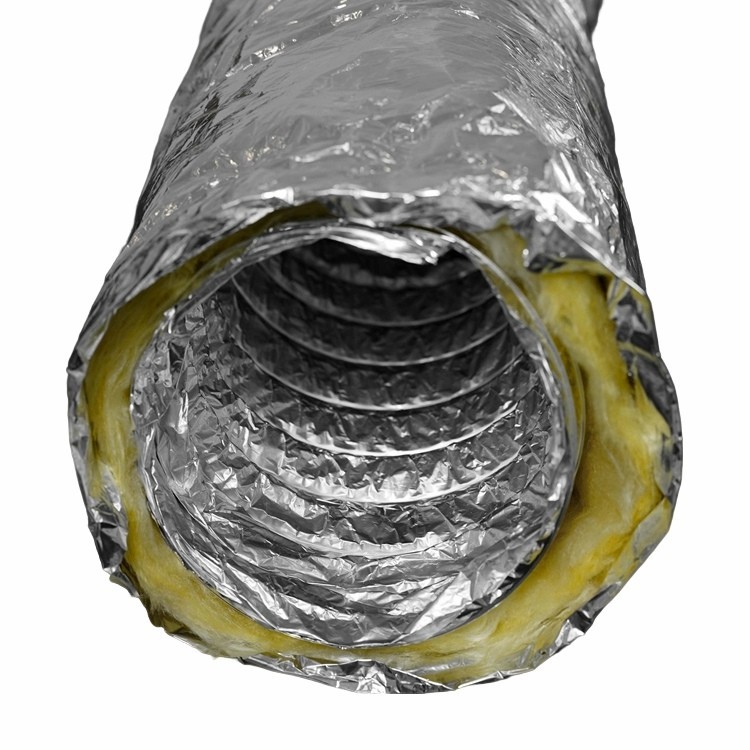

If you're unsure which product is right for your HVAC system, our team of experts is here to help. We can provide you with detailed information about the heat transfer coefficient of our products and help you make an informed decision.
Contact Us for Procurement
If you're interested in purchasing our Insulated Polyester Flexible Duct products, we encourage you to contact us for procurement. Our products are designed to meet the highest standards of quality and performance. Whether you're working on a small residential project or a large commercial HVAC system, we have the right duct for you.
References
- Incropera, F. P., & DeWitt, D. P. (2002). Fundamentals of Heat and Mass Transfer. Wiley.
- Cengel, Y. A. (2003). Heat Transfer: A Practical Approach. McGraw - Hill.