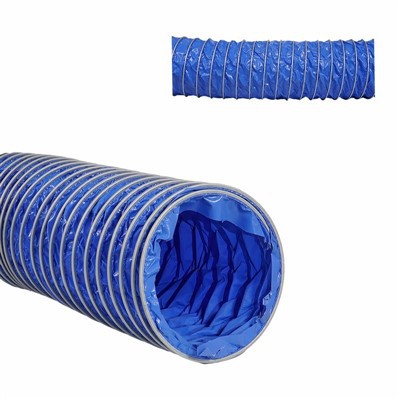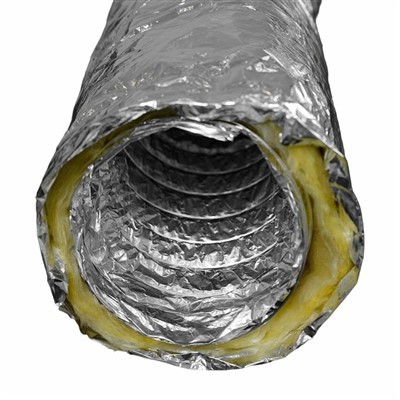

Proper storage of multilayer PVC pipes is crucial for maintaining their quality and performance over time. As a trusted multilayer PVC pipe supplier, I understand the importance of ensuring that these pipes are stored correctly to prevent damage and ensure they are in optimal condition when they reach our customers. In this blog post, I will share some essential tips on how to store multilayer PVC pipes properly.
Understanding the Characteristics of Multilayer PVC Pipes
Before delving into storage methods, it's important to understand the unique characteristics of multilayer PVC pipes. These pipes are typically made of multiple layers of PVC material, which provides enhanced strength, durability, and resistance to various environmental factors. However, they are also sensitive to certain conditions such as extreme temperatures, sunlight, and mechanical stress.
Choosing the Right Storage Location
The first step in proper storage is selecting the right location. The storage area should be dry, well-ventilated, and protected from direct sunlight. Exposure to sunlight can cause the PVC material to degrade over time, leading to discoloration, brittleness, and reduced strength. Therefore, it's best to store the pipes in a shaded area or indoors.
In addition to sunlight, the storage area should also be free from moisture. Moisture can cause the pipes to develop mold or mildew, which can affect their performance and lifespan. To prevent moisture buildup, ensure that the storage area has proper drainage and ventilation.
Organizing the Storage Space
Once you have chosen the right storage location, it's important to organize the storage space effectively. The pipes should be stored in a way that minimizes the risk of damage and makes them easy to access. One way to do this is by using racks or shelves to keep the pipes off the ground. This helps to prevent damage from dirt, debris, and moisture.
When storing the pipes on racks or shelves, it's important to ensure that they are properly supported. The pipes should be placed in a way that distributes their weight evenly and prevents them from sagging or bending. Additionally, the pipes should be stacked in a stable manner to prevent them from falling or toppling over.
Protecting the Pipes from Physical Damage
Multilayer PVC pipes are relatively fragile and can be easily damaged by physical impact. Therefore, it's important to take precautions to protect the pipes from damage during storage. One way to do this is by using padding or cushioning materials to protect the pipes from scratches, dents, and other types of damage.
Another important consideration is to avoid overloading the storage racks or shelves. Overloading can cause the pipes to bend or break, which can affect their performance and lifespan. Therefore, it's important to follow the manufacturer's recommendations regarding the maximum weight capacity of the storage racks or shelves.
Maintaining the Temperature and Humidity
As mentioned earlier, multilayer PVC pipes are sensitive to extreme temperatures and humidity. Therefore, it's important to maintain the temperature and humidity levels in the storage area within a suitable range. The ideal temperature for storing multilayer PVC pipes is between 5°C and 35°C, and the relative humidity should be between 40% and 60%.
To maintain the temperature and humidity levels, you can use a temperature and humidity control system such as a dehumidifier or air conditioner. These systems can help to regulate the temperature and humidity levels in the storage area and prevent the pipes from being exposed to extreme conditions.
Inspecting the Pipes Regularly
Regular inspection of the pipes is an important part of proper storage. By inspecting the pipes regularly, you can identify any signs of damage or deterioration and take appropriate action to prevent further damage. During the inspection, you should check for signs of cracks, scratches, discoloration, or other types of damage.
If you notice any signs of damage, you should take immediate action to repair or replace the damaged pipes. This can help to prevent the damage from spreading and ensure that the pipes are in optimal condition when they are used.
Specific Considerations for Different Types of Multilayer PVC Pipes
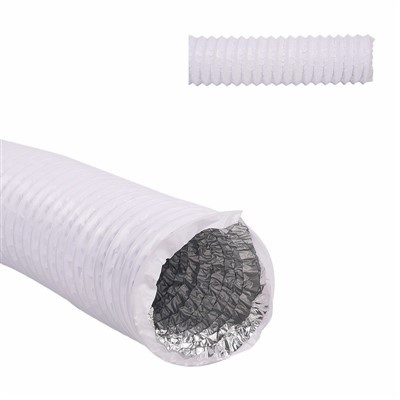
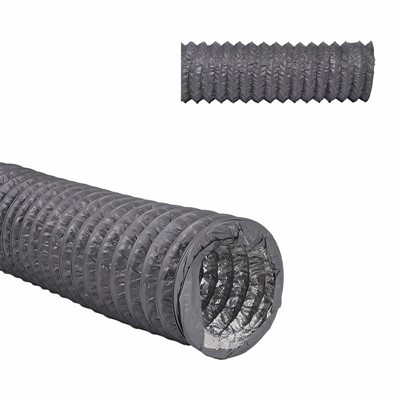
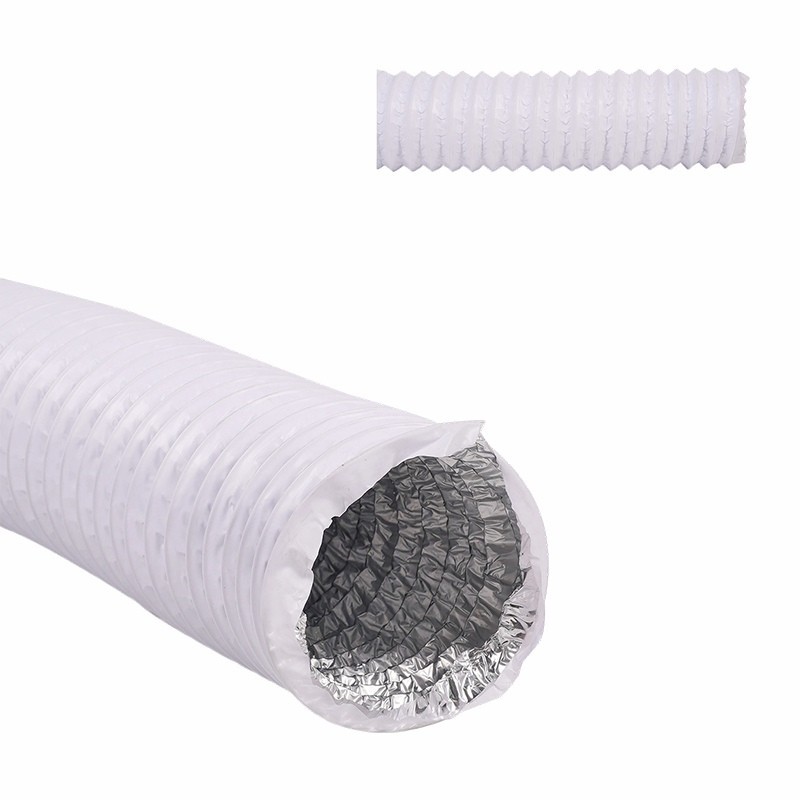
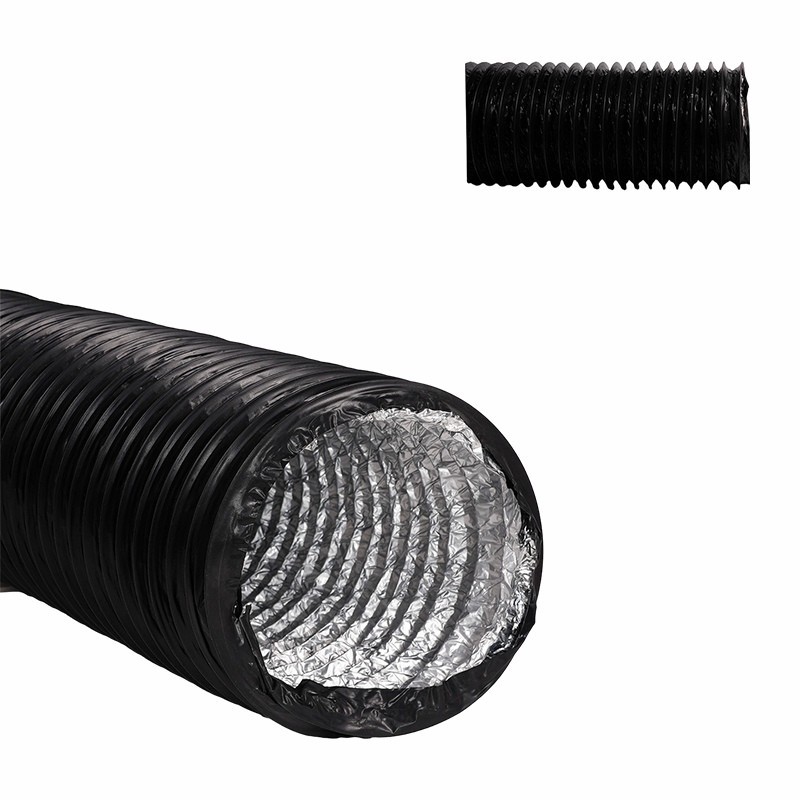
In addition to the general tips mentioned above, there are also some specific considerations for different types of multilayer PVC pipes. For example, White PVC Combi Air Duct, Black PVC Combi Air Duct, and Grey PVC Combi Air Duct may have different storage requirements based on their specific characteristics and applications.
When storing these types of pipes, it's important to follow the manufacturer's recommendations regarding storage temperature, humidity, and other factors. Additionally, you should also take into account the specific requirements of the application for which the pipes will be used. For example, if the pipes will be used in a high-temperature environment, you may need to take additional precautions to ensure that they are stored at a suitable temperature.
Conclusion
Proper storage of multilayer PVC pipes is essential for maintaining their quality and performance over time. By following the tips outlined in this blog post, you can ensure that your multilayer PVC pipes are stored correctly and are in optimal condition when they are used. If you have any questions or need further information about storing multilayer PVC pipes, please don't hesitate to contact us. We are a leading multilayer PVC pipe supplier and are committed to providing our customers with high-quality products and excellent customer service. Whether you are a contractor, builder, or DIY enthusiast, we can help you find the right multilayer PVC pipes for your project. Contact us today to discuss your requirements and start your procurement process.
References
- "PVC Pipe Handbook" by the Plastic Pipe Institute
- "Guide to PVC Pipe Installation" by the American Society of Plumbing Engineers