
Multilayer PVC pipes have gained significant popularity in various industries due to their numerous advantages, such as durability, flexibility, and cost - effectiveness. One of the key concerns for users is whether these pipes are easy to clean. As a multilayer PVC pipe supplier, I have extensive knowledge and experience in this area, and I'm here to provide a comprehensive analysis.
Structure and Material of Multilayer PVC Pipes
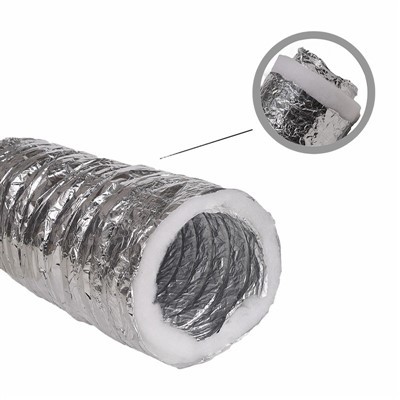
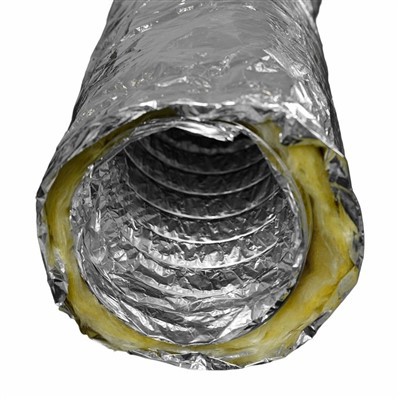
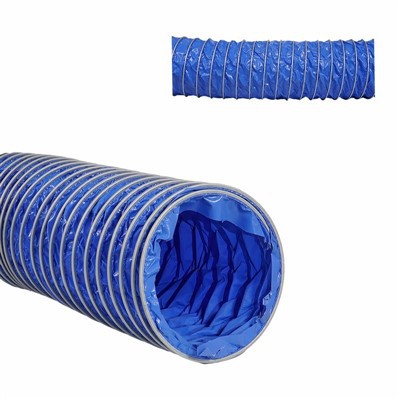
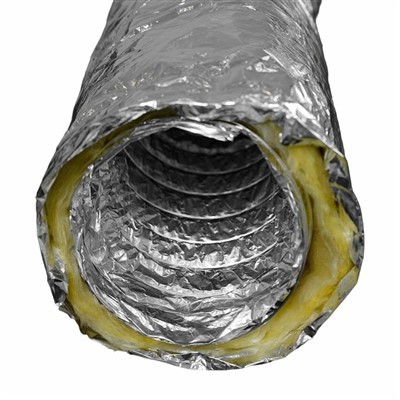
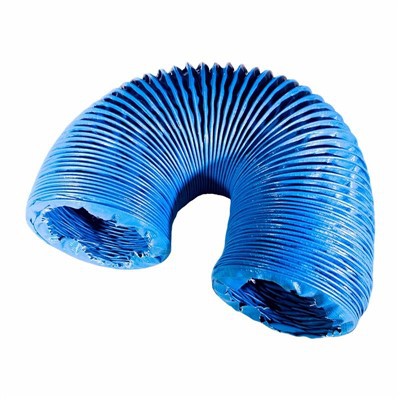
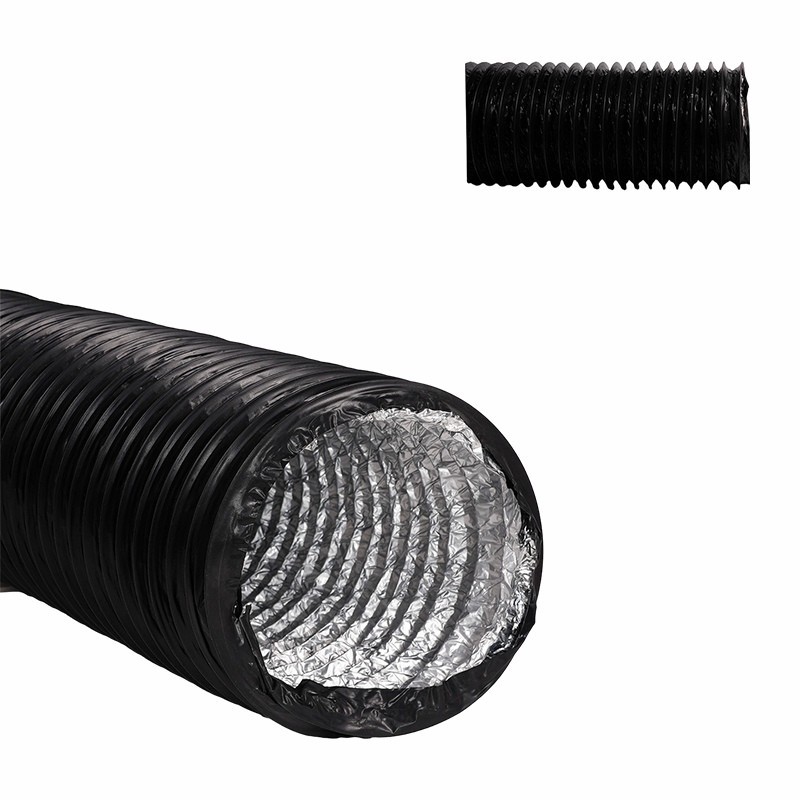
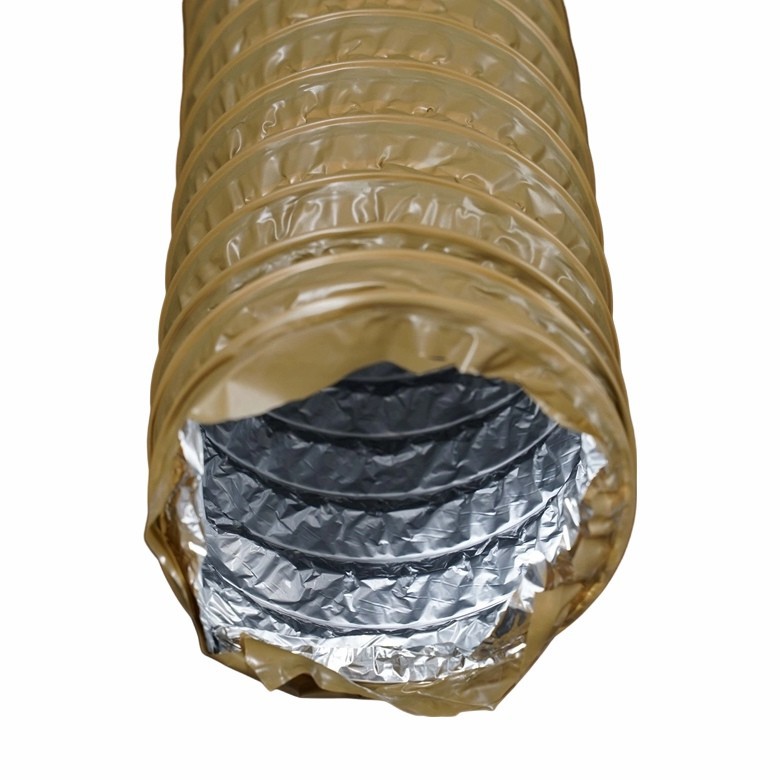
Multilayer PVC pipes are composed of multiple layers, which typically include an inner layer, middle layers, and an outer layer. The inner layer is in direct contact with the fluid or air flowing through the pipe. It is usually made of high - quality PVC material that is smooth and resistant to corrosion. The middle layers provide additional strength and insulation, while the outer layer protects the pipe from external damage.
The smooth surface of the inner layer of multilayer PVC pipes is a major factor contributing to their ease of cleaning. Unlike some other materials that may have rough or porous surfaces, the smooth PVC surface does not allow dirt, debris, or contaminants to easily adhere to it. This means that when it comes to cleaning, a simple flushing or wiping can often remove most of the dirt.
Cleaning Methods for Multilayer PVC Pipes
Flushing
Flushing is one of the most common and effective methods for cleaning multilayer PVC pipes. For pipes used in water supply systems, a high - pressure water flush can be used to dislodge and remove sediment, rust, and other particles that may have accumulated inside the pipe. The smooth inner surface of the PVC pipe allows the water to flow freely, carrying away the debris.
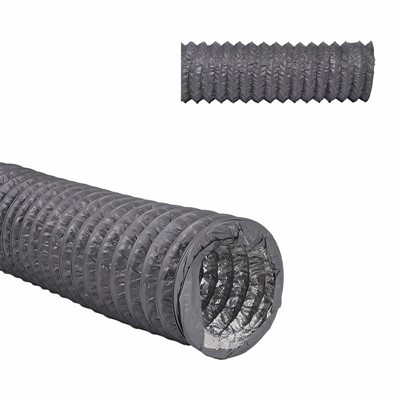
For air ducts, such as our Grey PVC Combi Air Duct, Black PVC Combi Air Duct, and Brown PVC Combi Air Duct, flushing with clean air can be an option. Compressed air can be used to blow out dust, pollen, and other airborne particles that have settled inside the duct.
Chemical Cleaning
In some cases, chemical cleaning may be necessary, especially when dealing with stubborn stains or microbial growth. Mild detergents or specialized pipe - cleaning solutions can be used. However, it is important to choose chemicals that are compatible with PVC material. Harsh chemicals can damage the PVC pipe, causing it to become brittle or discolored.
When using chemical cleaning agents, it is recommended to follow the manufacturer's instructions carefully. The solution should be circulated through the pipe for a specific period of time, and then thoroughly flushed with clean water to remove any remaining chemical residues.
Mechanical Cleaning
For larger debris or blockages, mechanical cleaning methods may be required. Tools such as pipe brushes or snakes can be used to physically remove the blockage. The smooth surface of the PVC pipe makes it easier for these tools to move through the pipe without causing damage.
Factors Affecting the Ease of Cleaning
Type of Fluid or Air
The nature of the fluid or air flowing through the pipe has a significant impact on the ease of cleaning. For example, pipes used in industrial applications where they come into contact with heavy oils, chemicals, or high - solids content may be more difficult to clean compared to pipes used in domestic water supply systems.
In industrial settings, the contaminants may be more stubborn and require more aggressive cleaning methods. On the other hand, pipes used for transporting clean water or air are generally easier to clean.
Frequency of Use
The frequency of use also affects the ease of cleaning. Pipes that are used continuously may accumulate dirt and debris more quickly, requiring more frequent cleaning. However, if the cleaning is carried out regularly, it can prevent the build - up of large amounts of contaminants, making the cleaning process easier.
Installation and Design
The installation and design of the pipe system can also influence the ease of cleaning. Pipes that are installed with proper slopes and access points are easier to clean. For example, pipes with clean - out ports allow for easy access to the interior of the pipe, making it possible to perform cleaning operations more effectively.
Advantages of Easy - to - Clean Multilayer PVC Pipes
Cost - Savings
Easy - to - clean pipes can result in significant cost - savings over time. Since less time and effort are required for cleaning, the labor costs associated with maintenance are reduced. Additionally, the longer lifespan of the pipes due to proper cleaning and maintenance means that there is less need for frequent pipe replacements.
Health and Safety
Clean pipes are essential for maintaining a healthy and safe environment. In water supply systems, clean pipes prevent the growth of harmful bacteria and contaminants, ensuring the quality of the water. In air ducts, clean pipes reduce the risk of airborne diseases by preventing the accumulation of dust and allergens.
Efficiency
Clean pipes allow for better flow of fluids or air. When pipes are free from blockages and debris, the system operates more efficiently, reducing energy consumption and improving overall performance.
Conclusion
In conclusion, multilayer PVC pipes are generally easy to clean due to their smooth inner surface and the variety of cleaning methods available. However, the ease of cleaning can be affected by factors such as the type of fluid or air, frequency of use, and installation design.
As a multilayer PVC pipe supplier, we are committed to providing high - quality pipes that not only meet the performance requirements but also offer ease of maintenance. If you are interested in our products or have any questions about cleaning and maintaining multilayer PVC pipes, we encourage you to contact us for further discussion and potential procurement.
References
- ASTM International. (20XX). Standard Specification for Poly (Vinyl Chloride) (PVC) Plastic Pipe, Schedules 40 and 80.
- Pipe and Fittings Association. (20XX). Guide to PVC Pipe Installation and Maintenance.