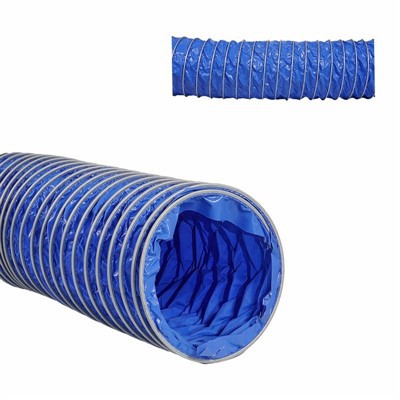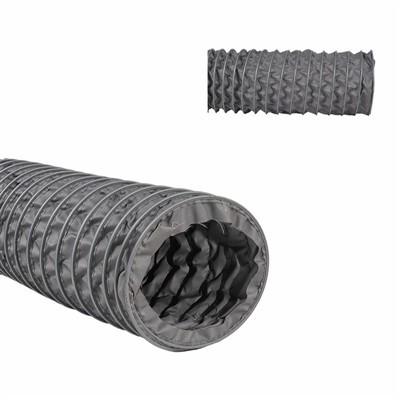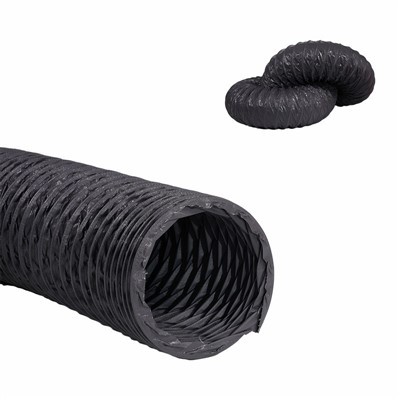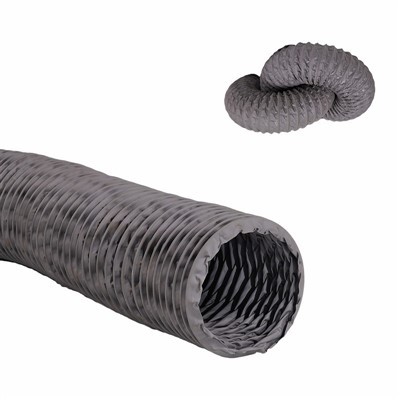

In the realm of ventilation and air - handling systems, the performance of ducts is of utmost importance. One key aspect is the reduction of air resistance, which can significantly impact energy efficiency, system performance, and overall cost - effectiveness. As a supplier of Vacuum Metallized Film Duct, I am well - versed in the unique properties and capabilities of this product in terms of air resistance reduction.
1. Understanding Air Resistance in Duct Systems
Air resistance in duct systems is a complex phenomenon. It is mainly caused by two factors: friction and turbulence. Friction occurs when air molecules come into contact with the inner surface of the duct. The rougher the surface, the more friction is generated, which in turn increases the resistance to air flow. Turbulence, on the other hand, is the chaotic movement of air within the duct. It can be caused by sudden changes in duct shape, bends, or obstructions. High levels of turbulence can lead to increased pressure drops and energy losses.
2. The Structure and Material of Vacuum Metallized Film Duct
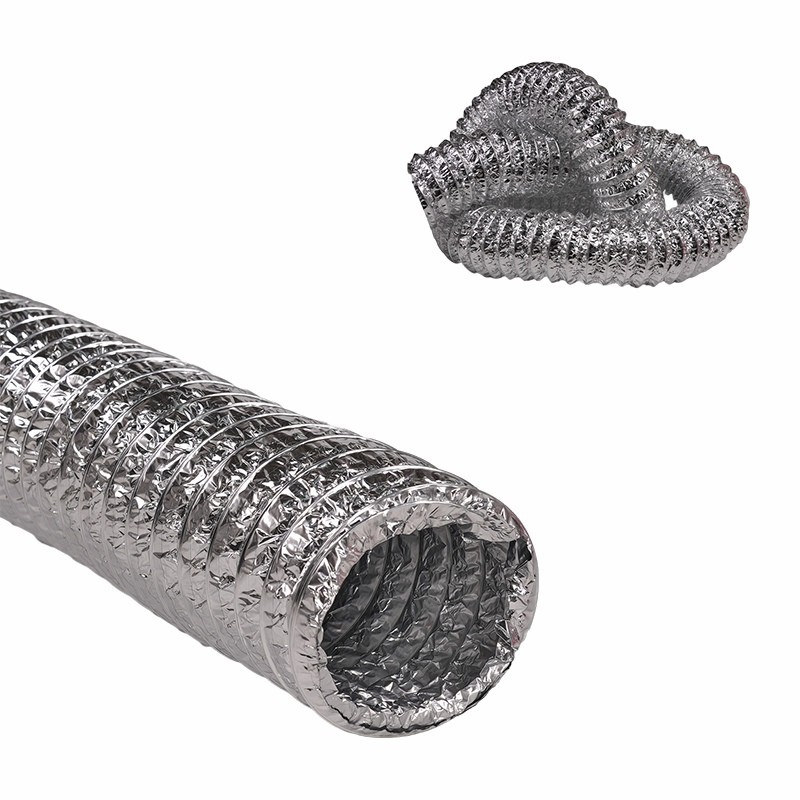
The Vacuum Metallized Film Duct is constructed with a unique combination of materials. The outer layer is typically a vacuum - metallized film, which provides excellent reflectivity and protection. The inner layer is designed to be smooth, which is crucial for reducing air resistance.
The smooth inner surface of the duct minimizes the contact area between the air and the duct wall, thereby reducing friction. Unlike some traditional ducts with rough inner surfaces, the Vacuum Metallized Film Duct offers a more streamlined path for air flow. This smoothness ensures that air can move through the duct with less resistance, resulting in a more efficient ventilation system.
3. Aerodynamic Design of Vacuum Metallized Film Duct
In addition to the smooth inner surface, the Vacuum Metallized Film Duct is often designed with aerodynamics in mind. The duct is usually made in a round or oval shape, which is the most aerodynamically efficient shape for air flow. These shapes help to reduce turbulence and maintain a steady air flow.
When air flows through a round or oval duct, it experiences less disruption compared to a duct with sharp corners or irregular shapes. The circular or oval cross - section allows the air to move in a more uniform manner, reducing the formation of eddies and vortices that can increase air resistance.
4. Performance Comparison with Other Duct Types
Let's compare the Vacuum Metallized Film Duct with two other common duct types: Double Aluminum Silencer Tube and Double Layer Plain Aluminum Flexible Air Duct.
The Double Aluminum Silencer Tube is mainly designed for noise reduction. While it can perform well in reducing noise, its structure may not be as optimized for air resistance reduction as the Vacuum Metallized Film Duct. The additional layers and sound - absorbing materials in the Double Aluminum Silencer Tube can sometimes cause more air resistance, especially if they create a less smooth inner surface.
The Double Layer Plain Aluminum Flexible Air Duct is flexible and easy to install. However, its flexibility can sometimes lead to bends and kinks in the duct, which can increase turbulence and air resistance. In contrast, the Vacuum Metallized Film Duct is more rigid in its structure, which helps to maintain a consistent shape and reduce the chances of air flow disruption.

5. Real - world Applications and Benefits
In real - world applications, the Vacuum Metallized Film Duct has shown significant benefits in terms of air resistance reduction. In large - scale commercial buildings, such as shopping malls and office complexes, the use of these ducts can lead to substantial energy savings. By reducing air resistance, the ventilation system requires less energy to move the same amount of air, which in turn lowers the overall energy consumption and operating costs.
In industrial settings, where large volumes of air need to be circulated, the Vacuum Metallized Film Duct can improve the efficiency of the ventilation system. It can also help to maintain a more stable air flow, which is crucial for processes that require precise air control, such as in clean rooms or manufacturing facilities.
6. Testing and Validation
To ensure the performance of the Vacuum Metallized Film Duct in reducing air resistance, rigorous testing is conducted. These tests typically involve measuring the pressure drop across the duct at different air flow rates. By comparing the pressure drop of the Vacuum Metallized Film Duct with other duct types under the same conditions, we can accurately assess its air resistance reduction capabilities.
In addition, computational fluid dynamics (CFD) simulations are often used to model the air flow within the duct. These simulations can provide detailed insights into the flow patterns, turbulence levels, and pressure distribution within the duct. By analyzing the results of these simulations, we can optimize the design of the duct to further reduce air resistance.
7. Future Developments and Innovations
As technology advances, there are continuous efforts to improve the performance of the Vacuum Metallized Film Duct in terms of air resistance reduction. New materials and manufacturing processes are being explored to create even smoother inner surfaces and more aerodynamic shapes.
For example, nanotechnology may be used to create a super - smooth surface on the inner layer of the duct, which can further reduce friction. Additionally, advanced design techniques can be employed to optimize the shape of the duct to minimize turbulence and air resistance.
8. Conclusion and Call to Action
In conclusion, the Vacuum Metallized Film Duct performs exceptionally well in reducing air resistance. Its smooth inner surface, aerodynamic design, and structural integrity make it a superior choice for ventilation systems. By using this duct, you can achieve significant energy savings, improve system performance, and reduce operating costs.
If you are interested in learning more about our Vacuum Metallized Film Duct or discussing your specific ventilation needs, please feel free to contact us. We are more than happy to provide you with detailed product information and assist you in making the best choice for your project.
References
- "Fluid Mechanics" by Frank M. White
- "Ventilation System Design" by ASHRAE (American Society of Heating, Refrigerating and Air - Conditioning Engineers)
- Research papers on duct aerodynamics and air flow optimization published in relevant engineering journals.