
Does nylon tubing have good insulation properties?
As a supplier of nylon tubing, I often get asked about the insulation properties of our products. Nylon tubing is a versatile material used in a wide range of applications, from automotive to industrial and beyond. In this blog post, I'll delve into the insulation characteristics of nylon tubing, exploring its strengths and limitations.
Understanding Insulation and Nylon Tubing
Insulation is the ability of a material to resist the flow of heat, electricity, or sound. In the context of nylon tubing, we're primarily concerned with thermal and electrical insulation. Nylon is a synthetic polymer known for its durability, flexibility, and chemical resistance. But how does it fare when it comes to insulation?
Thermal Insulation
Nylon has a relatively low thermal conductivity, which means it doesn't transfer heat as readily as some other materials. This property makes it a decent choice for applications where thermal insulation is required. For example, in automotive cooling systems, nylon tubing can help prevent heat transfer from the engine to other components, maintaining optimal operating temperatures.
However, it's important to note that nylon's thermal insulation capabilities are not as high as some specialized insulation materials. For instance, materials like fiberglass or ceramic insulation have much lower thermal conductivity and are better suited for applications where extreme heat resistance is needed.
Electrical Insulation
Nylon is an excellent electrical insulator. It has a high dielectric strength, which means it can withstand high voltages without conducting electricity. This property makes nylon tubing ideal for use in electrical wiring and cable management. It helps prevent electrical shorts and protects against electrical shock.
In addition to its electrical insulation properties, nylon is also resistant to moisture and chemicals, which further enhances its suitability for electrical applications. It can be used in a variety of environments, including wet or corrosive conditions, without losing its insulating properties.
Factors Affecting Insulation Performance
Several factors can affect the insulation performance of nylon tubing. These include:
- Wall Thickness: Thicker walls generally provide better insulation. However, thicker tubing may also be less flexible and more expensive.
- Temperature: Nylon's insulation properties can change with temperature. At high temperatures, its thermal conductivity may increase, reducing its insulation effectiveness.
- Additives: Some nylon tubing may contain additives to improve its insulation properties. For example, flame retardant additives can enhance fire resistance.
Applications of Nylon Tubing with Good Insulation
Nylon tubing with good insulation properties is used in a variety of applications, including:
- Automotive: In automotive applications, nylon tubing is used for coolant lines, fuel lines, and air intake systems. Its insulation properties help prevent heat transfer and maintain the efficiency of the engine.
- Electrical: Nylon tubing is commonly used in electrical wiring and cable management. It provides electrical insulation and protects against moisture and chemicals.
- Industrial: In industrial settings, nylon tubing is used for pneumatic systems, hydraulic systems, and chemical transfer. Its insulation properties help prevent heat loss and protect against corrosion.
Our Nylon Tubing Products
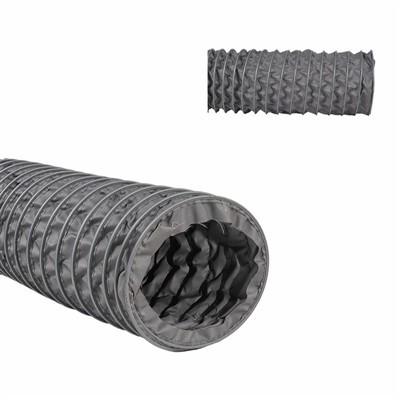
As a supplier of nylon tubing, we offer a wide range of products with excellent insulation properties. Our Grey Nylon Fabric Air Duct - Plus is a high-quality product designed for use in air duct systems. It provides excellent thermal insulation and is resistant to moisture and chemicals.
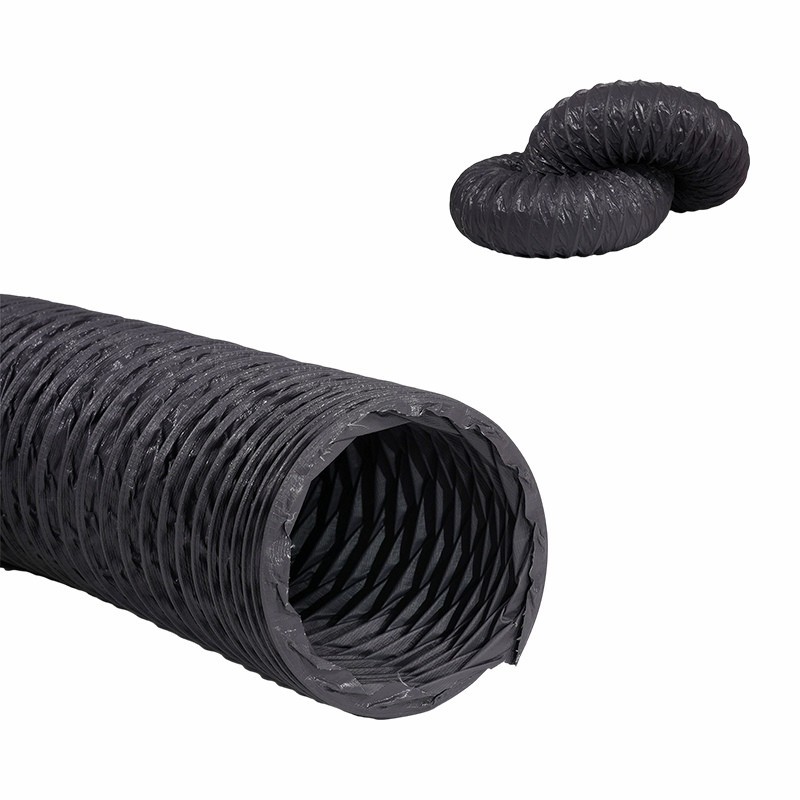

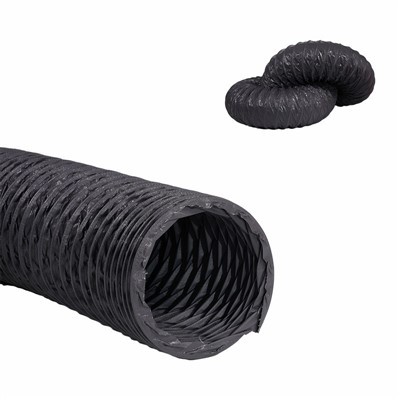
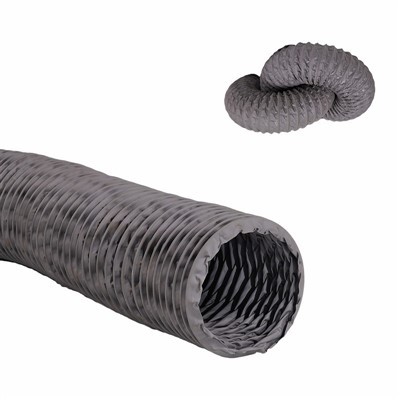
We also offer Woven Nylon Tubing and Braided Nylon Tubing, which are both known for their durability and flexibility. These products are suitable for a variety of applications, including automotive, electrical, and industrial.
Conclusion
In conclusion, nylon tubing has good insulation properties, particularly when it comes to electrical insulation. It also offers decent thermal insulation, although it may not be as effective as some specialized insulation materials. The insulation performance of nylon tubing can be affected by factors such as wall thickness, temperature, and additives.
If you're in the market for nylon tubing with good insulation properties, we invite you to explore our product range. Our team of experts is available to answer any questions you may have and help you find the right product for your needs. Contact us today to start a conversation about your nylon tubing requirements.
References
- "Nylon: Properties and Applications." Polymer Science Learning Center.
- "Thermal Insulation Materials: A Review." Journal of Thermal Insulation and Building Envelopes.
- "Electrical Insulation Materials: Principles and Applications." McGraw-Hill Education.