
Can you use a vacuum tube as a switch? This is a question that often piques the curiosity of electronics enthusiasts and professionals alike. As a vacuum tube supplier, I've had the privilege of exploring the ins and outs of these fascinating components, and I'm excited to share my insights with you.
Understanding Vacuum Tubes
Before we delve into the question of using a vacuum tube as a switch, let's first understand what a vacuum tube is. A vacuum tube, also known as an electron tube, is an electronic device that controls the flow of electric current in a vacuum. It consists of a sealed glass or metal envelope containing electrodes, which are used to emit, control, and collect electrons.
Vacuum tubes were widely used in early electronic devices, such as radios, televisions, and computers, before the advent of solid-state electronics. They played a crucial role in the development of modern technology, and many vintage electronics enthusiasts still appreciate their unique sound and aesthetic appeal.
How Vacuum Tubes Work
To understand how a vacuum tube can be used as a switch, it's important to understand how it works. In a vacuum tube, electrons are emitted from a heated cathode and flow towards an anode. The flow of electrons can be controlled by a grid, which is a metal electrode placed between the cathode and the anode.
When a negative voltage is applied to the grid, it repels the electrons and reduces the flow of current between the cathode and the anode. Conversely, when a positive voltage is applied to the grid, it attracts the electrons and increases the flow of current. This ability to control the flow of current makes vacuum tubes useful for a variety of applications, including amplification and switching.
Using a Vacuum Tube as a Switch
So, can you use a vacuum tube as a switch? The answer is yes. In fact, vacuum tubes were one of the first electronic components to be used as switches. They were used in early computers and other electronic devices to control the flow of electric current and perform logical operations.
To use a vacuum tube as a switch, you simply need to apply a voltage to the grid to control the flow of current between the cathode and the anode. When the grid is at a negative voltage, the tube is in the "off" state, and no current flows between the cathode and the anode. When the grid is at a positive voltage, the tube is in the "on" state, and current flows between the cathode and the anode.
One of the advantages of using a vacuum tube as a switch is its ability to handle high voltages and currents. Vacuum tubes can withstand much higher voltages and currents than solid-state switches, making them suitable for applications that require high power handling capabilities.
Another advantage of using a vacuum tube as a switch is its ability to provide isolation between different parts of a circuit. Because the electrons in a vacuum tube flow through a vacuum, there is no direct electrical connection between the input and output of the tube. This makes vacuum tubes useful for applications that require electrical isolation, such as power supplies and audio amplifiers.
Applications of Vacuum Tubes as Switches
Vacuum tubes are still used in a variety of applications today, despite the widespread use of solid-state electronics. Some of the common applications of vacuum tubes as switches include:


- Power Supplies: Vacuum tubes are used in power supplies to control the flow of current and regulate the output voltage. They are particularly useful in high-voltage power supplies, where solid-state switches may not be able to handle the high voltages and currents.
- Audio Amplifiers: Vacuum tubes are used in audio amplifiers to provide a warm, rich sound that is often preferred by audiophiles. They are particularly useful in high-end audio systems, where the quality of the sound is of utmost importance.
- Radio Transmitters: Vacuum tubes are used in radio transmitters to generate and amplify radio frequencies. They are particularly useful in high-power radio transmitters, where solid-state amplifiers may not be able to provide the required power output.
- Industrial Applications: Vacuum tubes are used in a variety of industrial applications, such as welding machines, plasma cutters, and X-ray machines. They are particularly useful in applications that require high power handling capabilities and electrical isolation.
Our Vacuum Tube Products
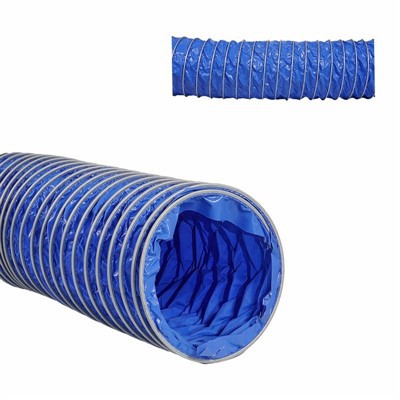
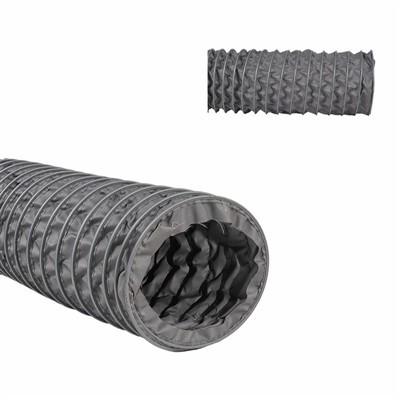
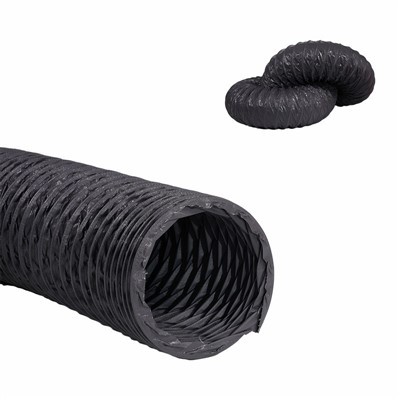
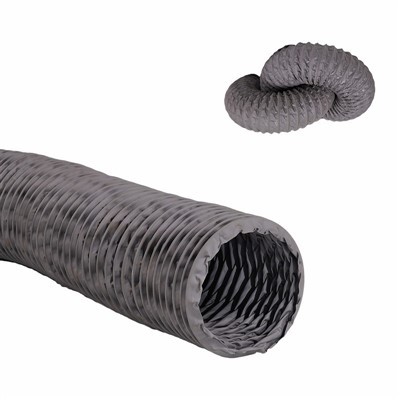
As a vacuum tube supplier, we offer a wide range of vacuum tubes for various applications. Our products include PU Copper-plated Transparent Suction Hose, Transparent PVC-coated Steel Dust Hose, and Transparent PU Copper-coated Suction Hose.
Our vacuum tubes are made from high-quality materials and are designed to provide reliable performance and long service life. We offer a variety of sizes and specifications to meet the needs of different applications. Whether you're looking for a vacuum tube for a power supply, an audio amplifier, or an industrial application, we have the right product for you.
Contact Us for Procurement
If you're interested in purchasing vacuum tubes for your application, we'd love to hear from you. Our team of experts can help you select the right product for your needs and provide you with technical support and advice.
To learn more about our vacuum tube products and to discuss your procurement requirements, please contact us. We look forward to working with you and helping you find the right vacuum tube solution for your application.
References
- "Vacuum Tubes: Principles and Applications" by John Markus
- "Electronics Fundamentals: Circuits, Devices, and Applications" by Thomas L. Floyd
- "The Art of Electronics" by Paul Horowitz and Winfield Hill