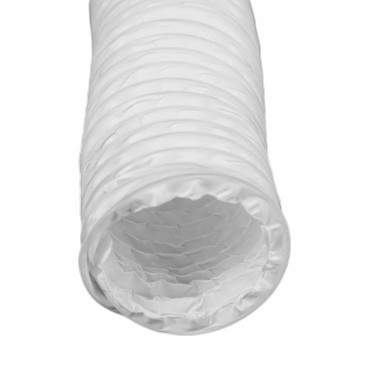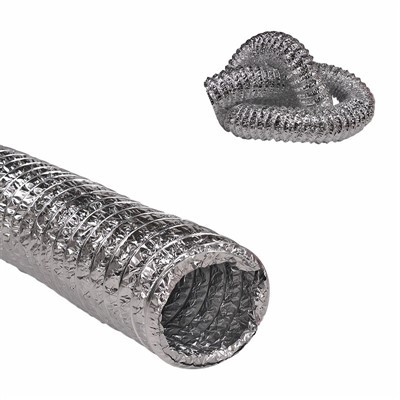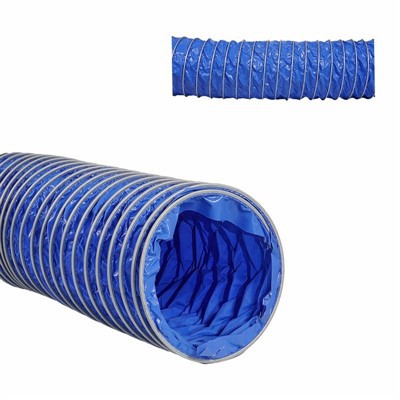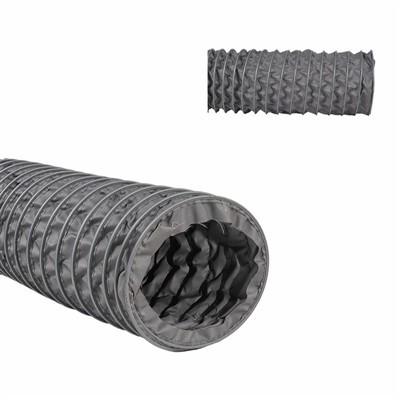

Hey there! As a supplier of PVC steel wire hoses, I often get asked if our products can be used in sewage treatment plants. Well, let's dive right into this topic and see if PVC steel wire hoses are a good fit for such an environment.


Understanding PVC Steel Wire Hoses
First off, let me give you a quick rundown on what PVC steel wire hoses are. These hoses are made of polyvinyl chloride (PVC), which is a type of plastic known for its durability and flexibility. The steel wire reinforcement inside the hose adds extra strength and helps maintain its shape, even under pressure.
You can check out more details about PVC Steel Wire Reinforced Hose, PVC Steel Wire Pipe, and PVC Wire Hose on our website.
The Environment in Sewage Treatment Plants
Sewage treatment plants are a unique environment. They deal with all sorts of wastewater, which can contain a variety of chemicals, solids, and even biological agents. The conditions in these plants can be quite harsh, with factors like high humidity, fluctuating temperatures, and exposure to corrosive substances.
Advantages of Using PVC Steel Wire Hoses in Sewage Treatment Plants
- Chemical Resistance: PVC is resistant to many chemicals commonly found in sewage, such as acids, alkalis, and some solvents. This means that our PVC steel wire hoses can withstand the corrosive nature of the wastewater without deteriorating quickly.
- Flexibility: The flexibility of PVC steel wire hoses makes them easy to install and maneuver in the complex piping systems of sewage treatment plants. They can be bent and routed around obstacles without kinking, which is crucial for efficient fluid flow.
- Strength: The steel wire reinforcement provides the hose with the strength to handle the pressure of the wastewater flow. Whether it's the suction side of a pump or the discharge side, our hoses can maintain their shape and integrity.
- Cost-Effective: Compared to some other materials, PVC steel wire hoses are relatively inexpensive. This makes them a cost-effective choice for sewage treatment plants, especially when large quantities of hoses are needed.
Potential Challenges
Of course, no product is perfect, and there are some potential challenges when using PVC steel wire hoses in sewage treatment plants.
- Temperature Limitations: PVC has a limited temperature range. In very high or very low temperatures, the hose may become brittle or lose its flexibility. Sewage treatment plants may have processes that involve extreme temperatures, so it's important to choose the right type of PVC hose for the specific application.
- Abrasion Resistance: While PVC is relatively durable, it may not be as resistant to abrasion as some other materials. If the sewage contains a lot of solid particles, the inner surface of the hose may wear out over time. However, we offer hoses with special abrasion-resistant linings to address this issue.
- Biological Growth: The moist environment in sewage treatment plants can promote the growth of bacteria and other microorganisms. While PVC is generally resistant to biological degradation, it's still possible for biofilms to form on the inner surface of the hose. Regular cleaning and maintenance can help prevent this.
Case Studies
Let's take a look at some real-world examples of how PVC steel wire hoses have been used in sewage treatment plants.
In a small sewage treatment plant in a rural area, our PVC steel wire hoses were used to transfer wastewater from the collection tank to the treatment process. The hoses were easy to install and have been performing well for several years. The chemical resistance of the PVC has prevented any significant corrosion, and the flexibility of the hoses has allowed for easy routing around the plant's equipment.
In a large industrial sewage treatment plant, our hoses were used in the sludge handling system. The steel wire reinforcement provided the necessary strength to handle the thick sludge, and the PVC material was able to withstand the high levels of chemicals in the sludge. The cost-effectiveness of the hoses also made them a practical choice for this large-scale application.
Maintenance and Care
To ensure the long-term performance of PVC steel wire hoses in sewage treatment plants, proper maintenance and care are essential.
- Regular Inspection: Inspect the hoses regularly for any signs of damage, such as cracks, leaks, or wear. If any issues are found, replace the hose immediately.
- Cleaning: Clean the hoses regularly to remove any debris or biofilms that may have accumulated on the inner surface. This can be done using a mild detergent and water.
- Proper Storage: When not in use, store the hoses in a cool, dry place away from direct sunlight. This will help prevent the PVC from deteriorating due to exposure to UV rays.
Conclusion
So, can PVC steel wire hoses be used in sewage treatment plants? The answer is yes! With their chemical resistance, flexibility, strength, and cost-effectiveness, our PVC steel wire hoses are a great choice for many applications in sewage treatment plants. However, it's important to consider the potential challenges and take proper maintenance measures to ensure their long-term performance.
If you're interested in using our PVC steel wire hoses in your sewage treatment plant, or if you have any questions about our products, don't hesitate to reach out. We're here to help you find the right solution for your needs.
References
- ASTM International. (2023). Standard Specification for Poly (Vinyl Chloride) (PVC) Plastic Pipe, Schedule 40.
- Water Environment Federation. (2023). Wastewater Treatment Plant Design.