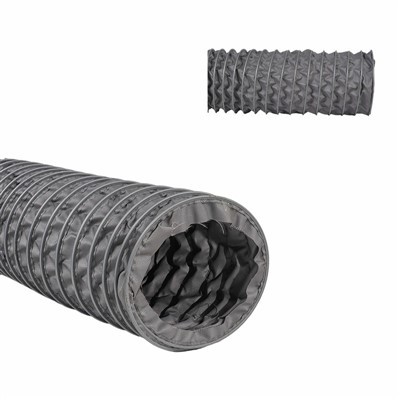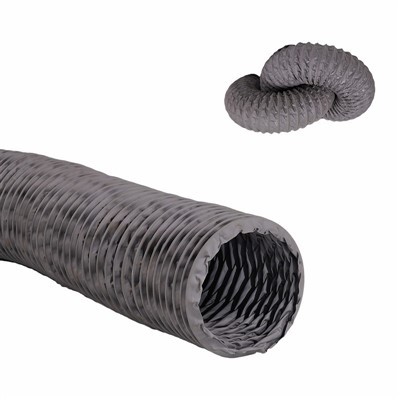

Radiation is a natural phenomenon that exists in various forms and environments. In industrial settings, the impact of radiation on equipment and materials is a critical consideration. As a supplier of Green Clip Industrial Fabric Air Ducts, I have witnessed firsthand the potential effects of radiation on the performance of these air ducts. In this blog, we will explore how radiation can affect the performance of Green Clip Industrial Fabric Air Ducts and what steps can be taken to mitigate these effects.
Types of Radiation and Their Sources
Radiation can be classified into two main types: ionizing and non - ionizing radiation. Ionizing radiation includes alpha particles, beta particles, gamma rays, and X - rays. These types of radiation have enough energy to remove tightly bound electrons from atoms, creating ions. Sources of ionizing radiation can be natural, such as radioactive elements in the earth's crust, or man - made, like nuclear power plants and medical X - ray machines.
Non - ionizing radiation, on the other hand, includes radio waves, microwaves, infrared radiation, and visible light. It has lower energy and does not have the ability to ionize atoms. Common sources of non - ionizing radiation are electronic devices, radio transmitters, and the sun.
Impact of Ionizing Radiation on Green Clip Industrial Fabric Air Ducts
Material Degradation
Ionizing radiation can cause significant damage to the fabric material of the air ducts. The high - energy particles or rays can break chemical bonds in the fabric polymers. For example, in a Green Clip Industrial Fabric Air Duct, the radiation may break the carbon - carbon or carbon - hydrogen bonds in the polymer chains of the fabric. This leads to a reduction in the mechanical strength of the fabric. Over time, the fabric may become brittle and more prone to tearing or puncturing. As a result, the air duct may develop leaks, which can reduce the efficiency of the ventilation system.
Color Fading
Ionizing radiation can also cause color fading in the Green Clip Industrial Fabric Air Duct. The radiation can interact with the dyes used in the fabric, breaking down the chemical structures of the dyes. This can change the appearance of the air duct, making it look less aesthetically pleasing. In some industrial settings where the appearance of the equipment is important, color fading can be a significant issue.
Microbial Growth
Although ionizing radiation is often used for sterilization purposes, in some cases, it can also create conditions that promote microbial growth in the air duct. The radiation - induced damage to the fabric can create small crevices and rough surfaces where microorganisms can attach and grow. This can lead to the formation of biofilms, which can not only affect the air quality but also further degrade the fabric of the air duct.
Impact of Non - Ionizing Radiation on Green Clip Industrial Fabric Air Ducts
Thermal Effects
Non - ionizing radiation, especially infrared radiation, can cause heating of the Green Clip Industrial Fabric Air Duct. If the air duct is exposed to high levels of infrared radiation, such as from a nearby heat source, the fabric can absorb the radiation and increase in temperature. This can cause the fabric to expand, which may lead to changes in the shape and dimensions of the air duct. In extreme cases, the excessive heat can cause the fabric to melt or catch fire, posing a serious safety hazard.
UV Degradation
Ultraviolet (UV) radiation from the sun is a common form of non - ionizing radiation that can have a significant impact on the fabric air ducts. UV radiation can break down the polymer chains in the fabric, similar to ionizing radiation. This can lead to a loss of strength and flexibility in the fabric. Additionally, UV radiation can cause the fabric to become more brittle and prone to cracking. Over time, the UV - damaged fabric may lose its ability to maintain a proper seal, resulting in air leakage.
Mitigation Strategies
Material Selection
One of the most effective ways to mitigate the effects of radiation on Green Clip Industrial Fabric Air Ducts is to select radiation - resistant materials. For example, some fabrics are treated with special coatings that can absorb or reflect radiation. These coatings can provide an additional layer of protection for the fabric, reducing the damage caused by radiation.
Shielding
Shielding the air ducts from radiation sources can also be an effective strategy. For ionizing radiation, lead or other high - density materials can be used to block the radiation. For non - ionizing radiation, reflective materials can be used to reflect the radiation away from the air duct.
Regular Inspection and Maintenance
Regular inspection and maintenance of the Green Clip Industrial Fabric Air Ducts are essential to detect any radiation - induced damage early. Inspections can include checking for signs of fabric degradation, color fading, and leaks. If any damage is detected, the affected parts of the air duct can be repaired or replaced in a timely manner.
Comparison with Other Air Ducts
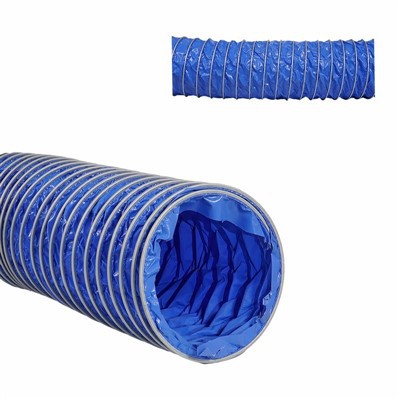
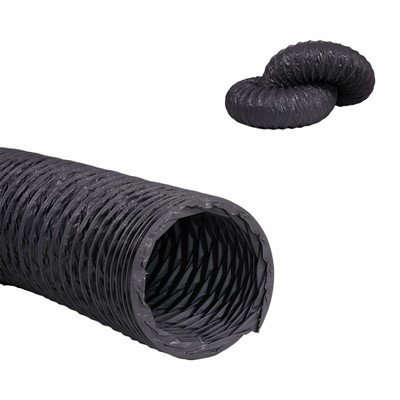
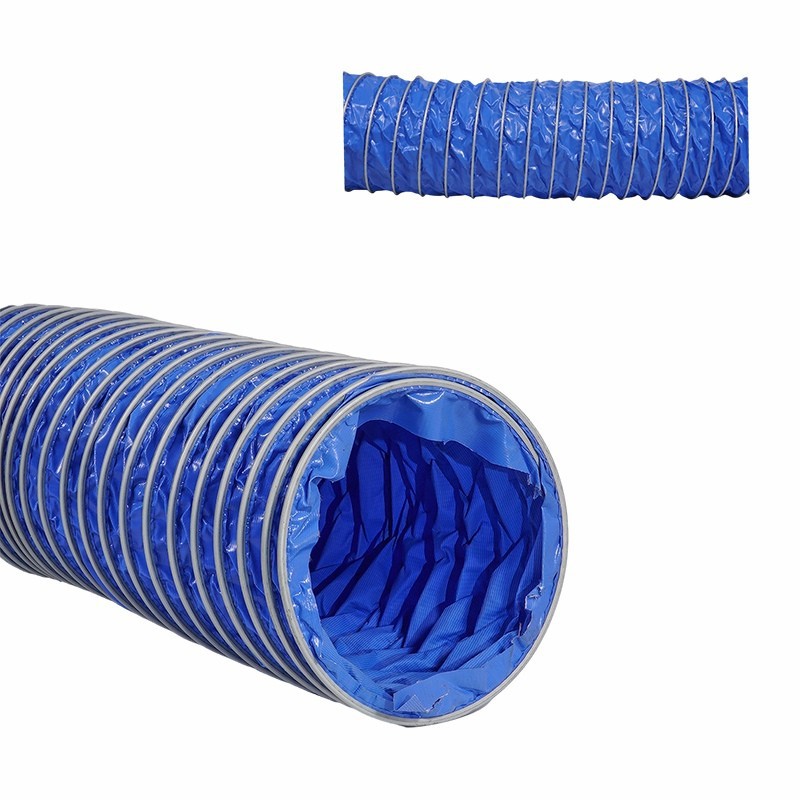
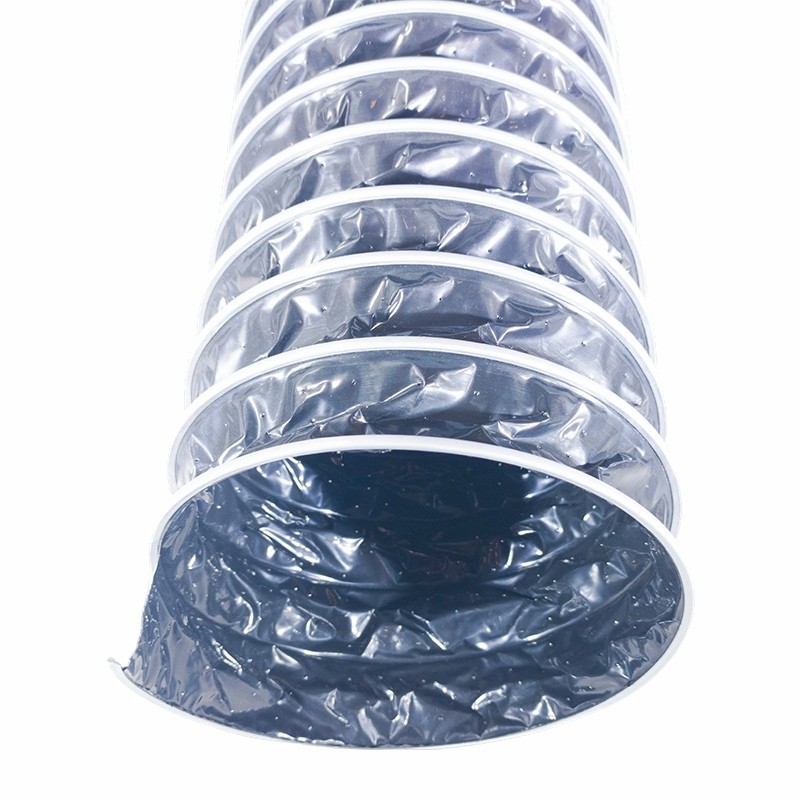
When compared to Blue Clip Industrial Fabric Air Duct and Black Clip Industrial PE Air Duct, the Green Clip Industrial Fabric Air Duct has its own unique characteristics in terms of radiation resistance. The fabric material used in the Green Clip Industrial Fabric Air Duct may have different chemical compositions and physical properties, which can affect its response to radiation. However, with proper mitigation strategies, all these types of air ducts can be made more resistant to radiation.
Conclusion
Radiation can have a significant impact on the performance of Green Clip Industrial Fabric Air Ducts. Both ionizing and non - ionizing radiation can cause material degradation, color fading, and other issues that can reduce the efficiency and lifespan of the air ducts. By understanding the effects of radiation and implementing appropriate mitigation strategies, we can ensure that the Green Clip Industrial Fabric Air Ducts perform well in radiation - prone environments.
If you are interested in purchasing Green Clip Industrial Fabric Air Ducts or have any questions about their performance in radiation - affected areas, please feel free to contact us for further discussion and procurement negotiation. We are committed to providing high - quality air duct solutions that meet your specific needs.
References
- "Radiation Effects on Polymers" by J. M. Chapiro.
- "Industrial Ventilation Handbook" by the American Conference of Governmental Industrial Hygienists.
- "Textile Science and Technology" by R. S. Blackburn.