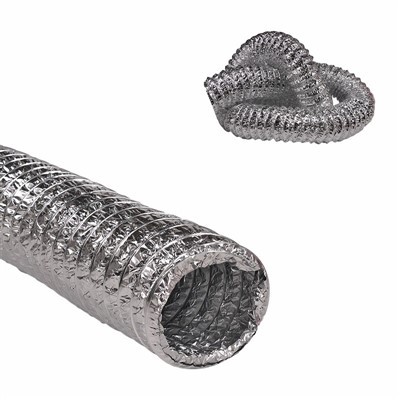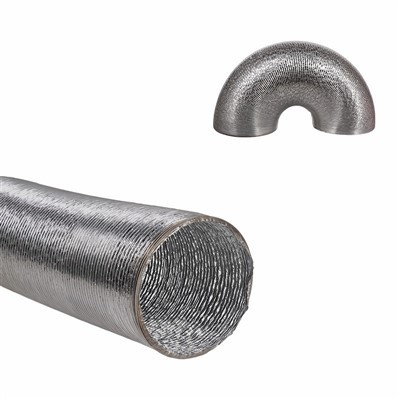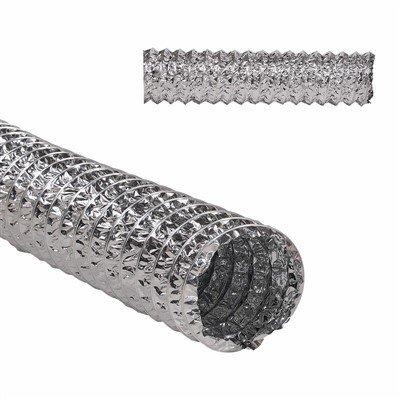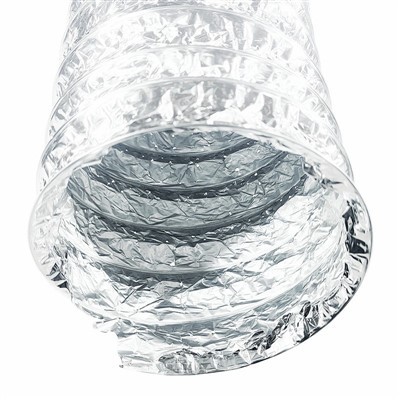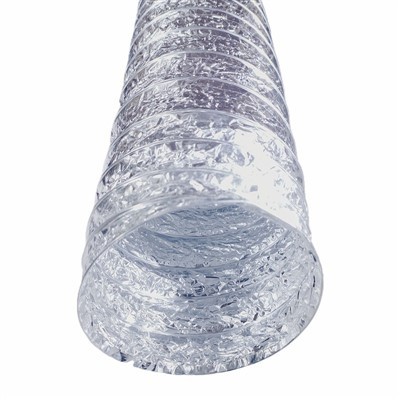
Welding is a common method for connecting aluminum foil tubes. It involves heating the joints of two aluminum foil tubes at high temperature, causing them to melt and fuse together, thus achieving the connection. The advantages of welding are a strong, secure connection that is not easily loosened, suitable for direct connections between two pipes, and ensures a tight seal. The disadvantages are that it requires specialized equipment and technology, and is relatively expensive.
Mechanical connection method: The mechanical connection method connects two aluminum foil tubes together mechanically. Common mechanical connection methods include bayonet connection and threaded connection. Bayonet connection is suitable for connecting aluminum foil tubes of the same diameter, ensuring a good seal after connection. Threaded connection is suitable for connecting aluminum foil tubes of different diameters, achieving a good seal and a secure connection after connection. The advantages of mechanical connection method are simplicity, ease of use, and low cost, making it suitable for some simple applications. The disadvantages are that the connection is not as strong and has lower pressure resistance.
Adhesive bonding method: Apply an appropriate amount of adhesive to the joints of two aluminum foil tubes and join them together. After drying, a strong connection is formed. This method is suitable for applications requiring frequent disassembly and can also be used to connect aluminum foil tubes of different diameters. The advantages of adhesive bonding are its simplicity and low cost, meeting the needs of many applications. Disadvantages include that environmental factors such as temperature and humidity can affect the sealing performance, and the strength of the adhesive is also limited.